
From Ruin to Revival
Peckham to Nunhead, and back.

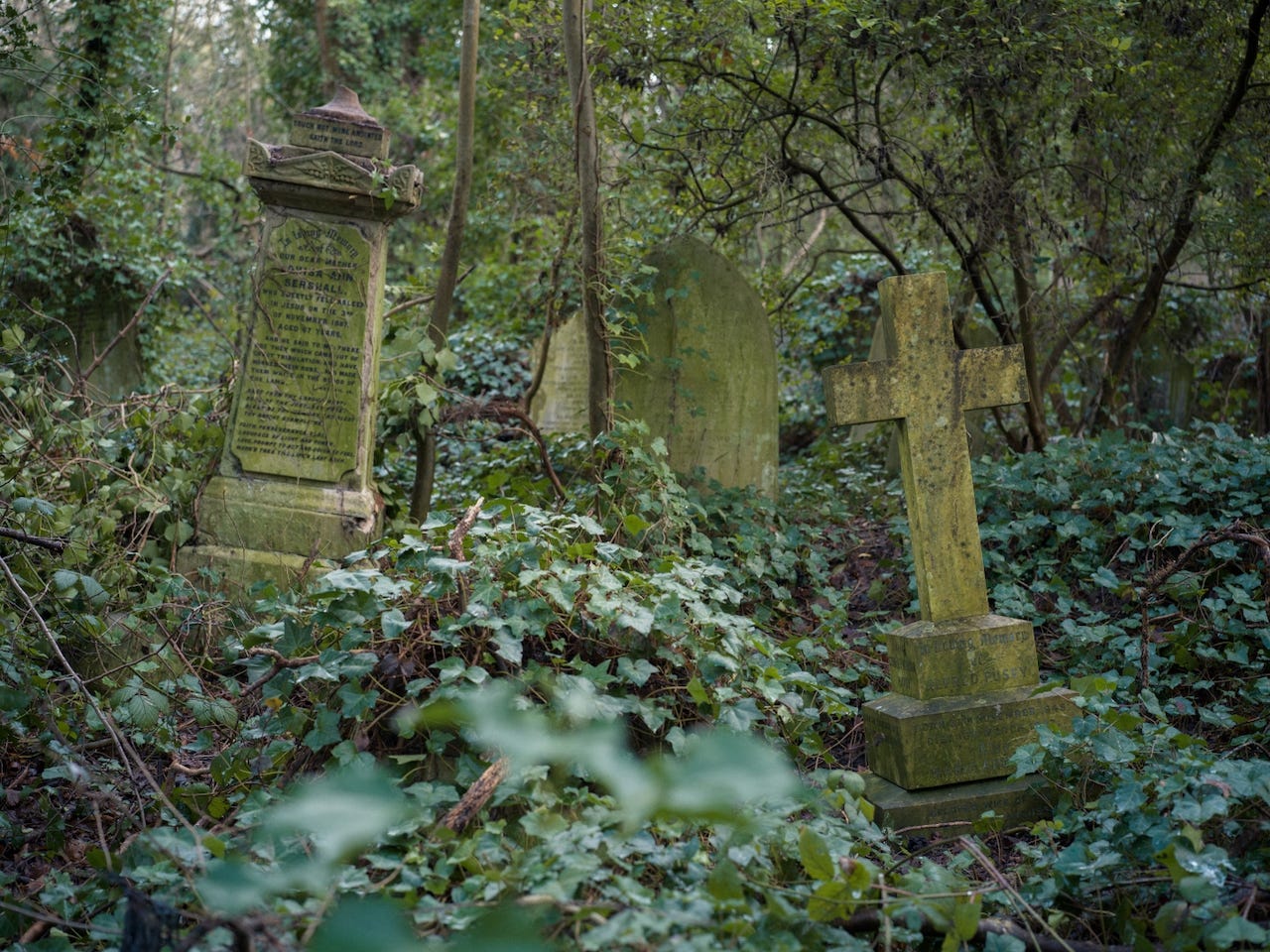
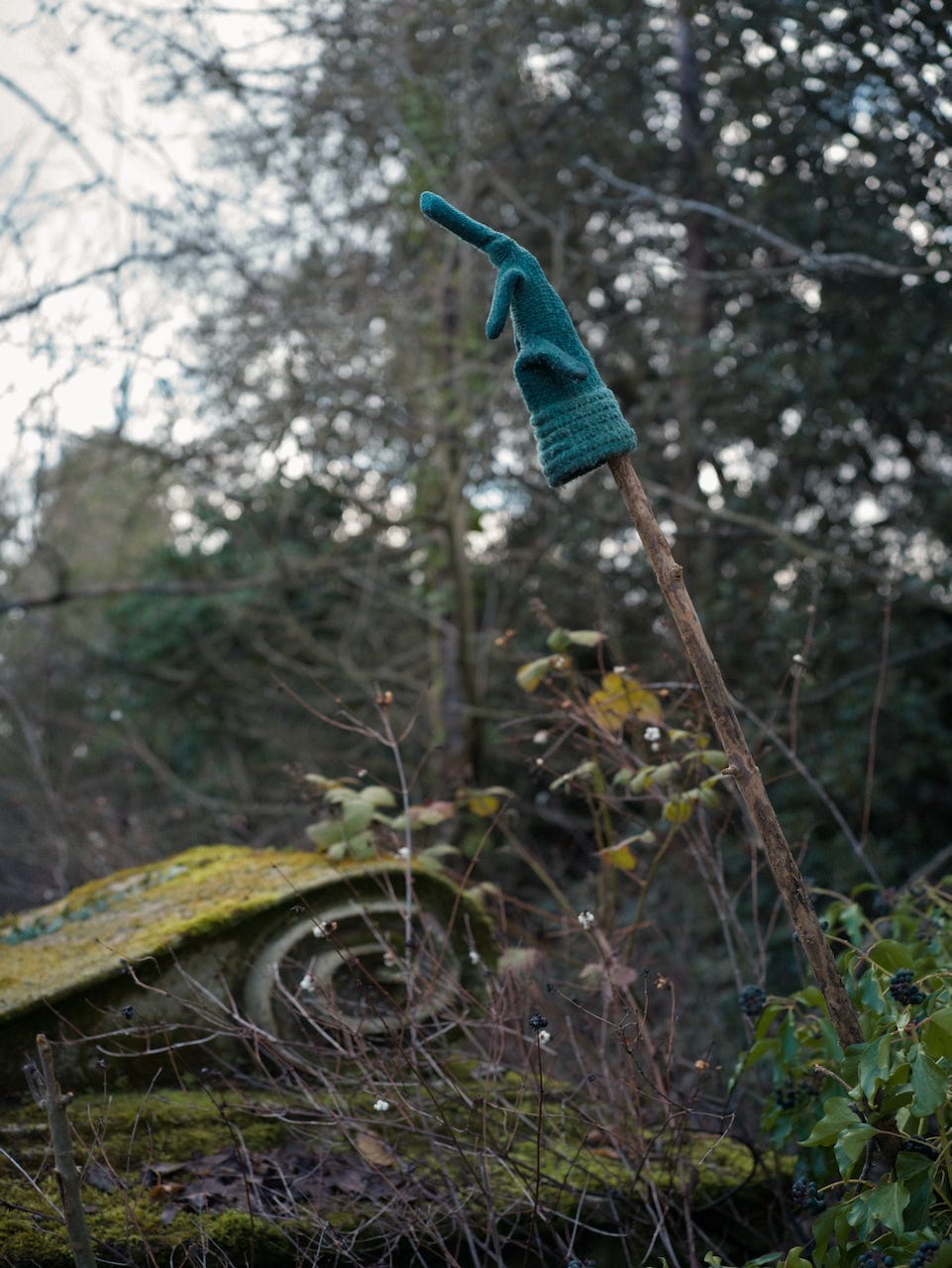
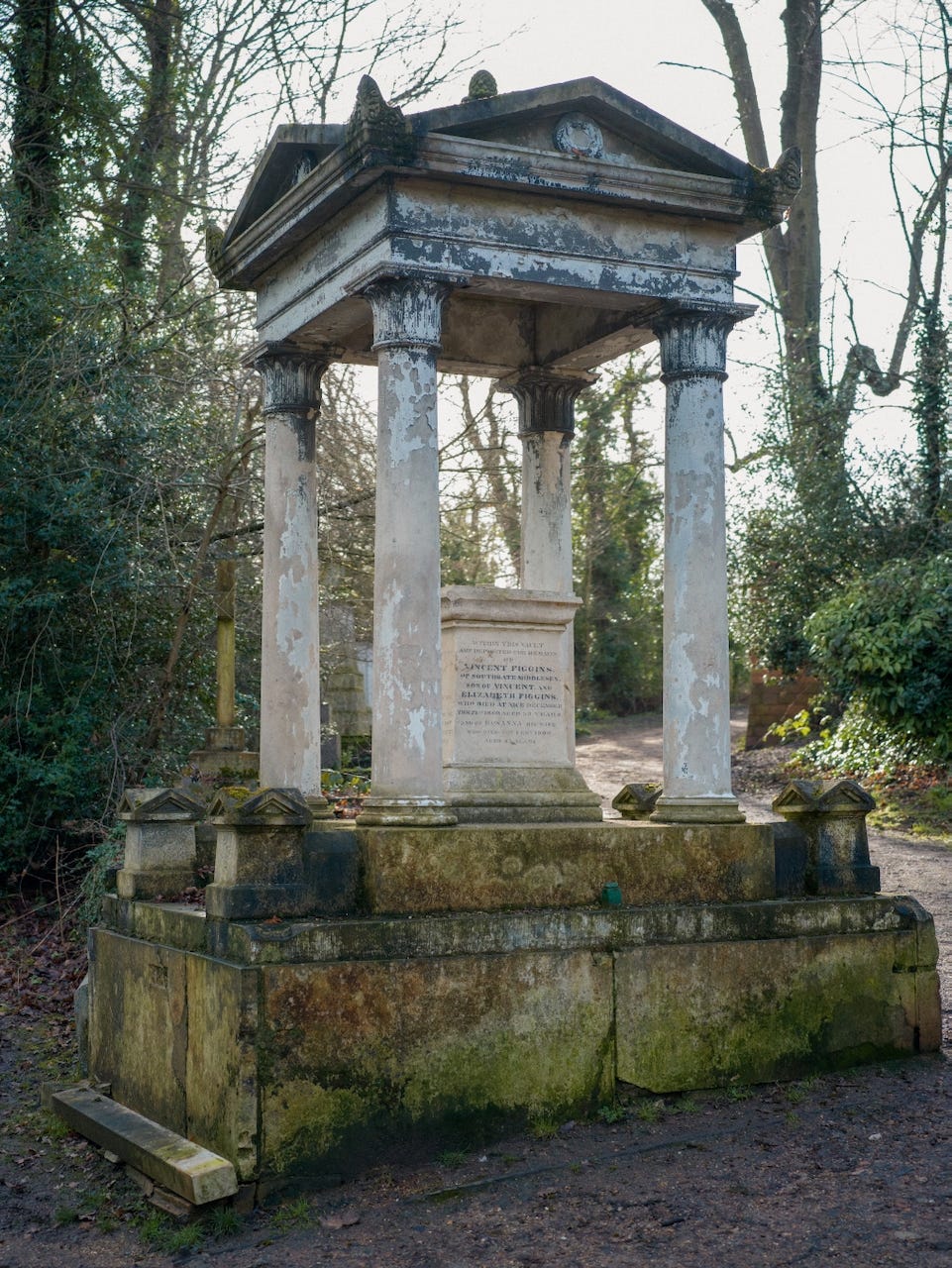
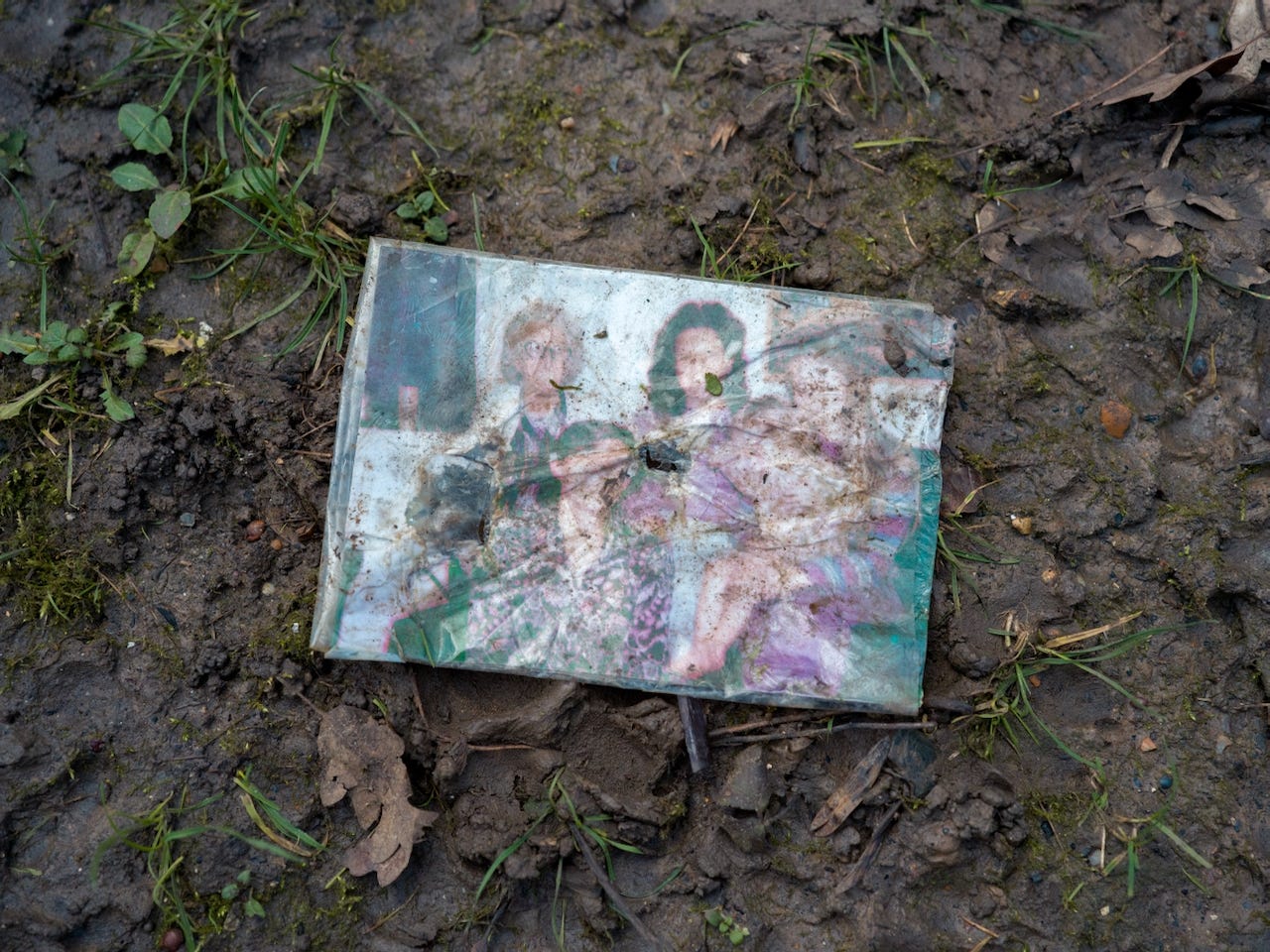
Seemingly abandoned or overgrown sites — where the landscape has gone to seed and been left to its own devices, is in suspended redevelopment or is being furtively inhabited or otherwise used, under the radar of local authorities — can be found nearly everywhere within the margins and interstices of cities. Existing at the blurry edges of the built world, such areas cast doubt on spatial and behavioural codes. Whether vacant lots, derelict industrial sites, or unkempt border areas, these terrains vagues act variously as refuges, mirrors, and memento mori. Residual and ambiguous, they allow us to examine ourselves and our everyday surroundings from outside the frenetic circuits of work, commerce, and transit. As counter-spaces, terrains vagues are also containers of a fragmented shared history, illuminating the imperfect process of memory that constantly attempts to recall and reconstruct the past.
— Patrick Barron
Having only ever corresponded via Substack, Caroline Howard and I arranged to meet in person recently to explore Peckham and Nunhead. I have really enjoyed Caroline’s dérives through the Ambient City. She has a fantastic knack for conjuring the spirit of place. I love collaborating with people; it’s one of the delights of Substack. My walks with Guido have been virtual, disembodied, so it was nice to be able to share this one with a real person.
We met at the wonderful South London Gallery, chatted for while over a bite to eat, then began a relatively aimless stroll towards Nunhead Cemetery. Caroline has written beautifully about what we saw and talked about. Do check it out. It’s a parallel post to this one and far more articulate.

The following day, I sent Caroline a slightly odd list of the things that had stuck with me; a combination of things seen and felt. It included:
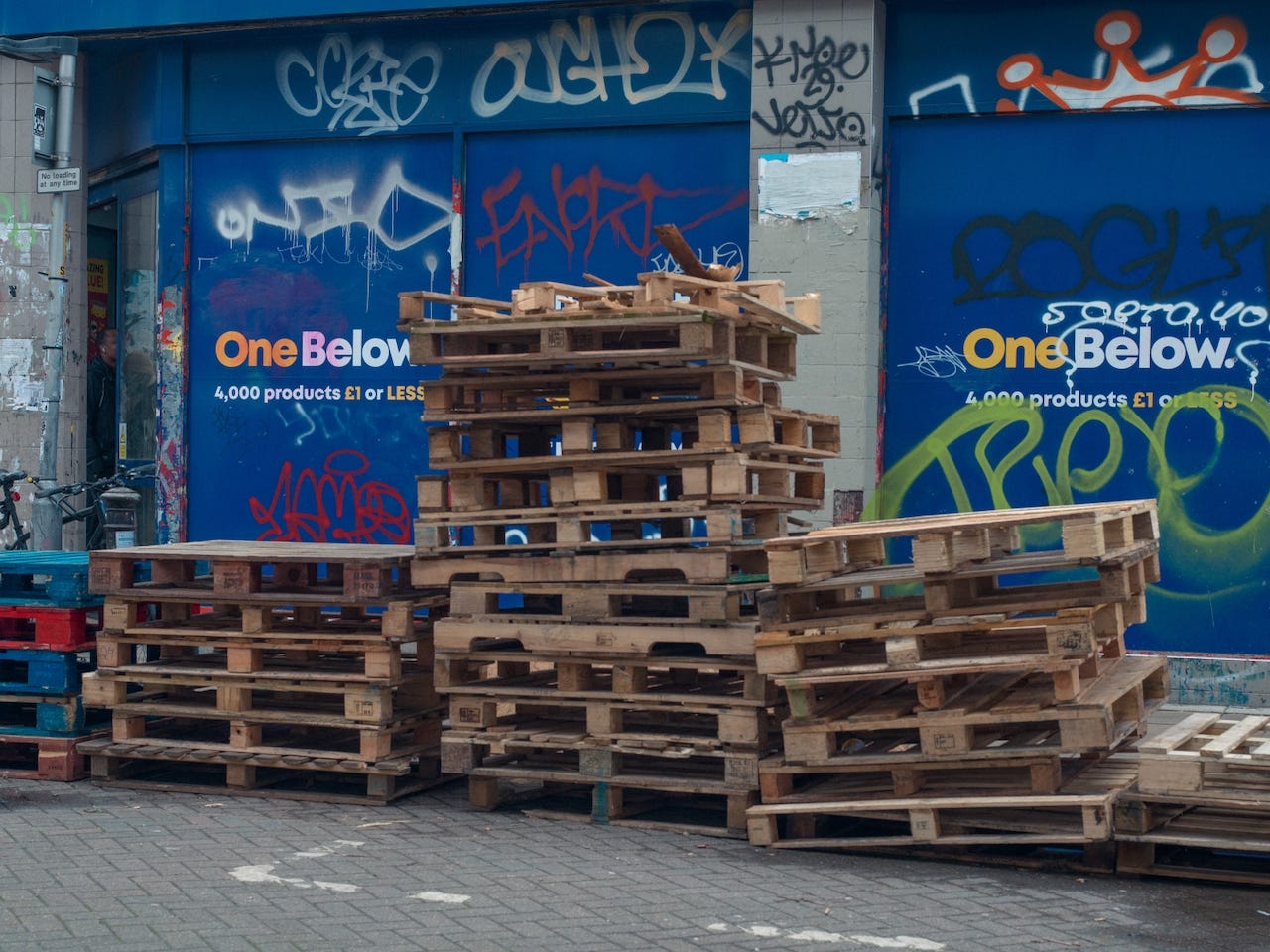
struggling to talk whilst eating a toastie; peering through the doors of the gallery to catch a glimpse of the ‘floating’ fireplace; a pile of pallets; the undulating roofline on Rye Lane; the weights in the gym at the back of the Bussey Building; gentrification; a childhood fascination with horses; visible mending; what it’s like growing up tall; the stresses and opportunities of Lockdown; prison photography; compacting the ground; choosing not to linger over the view of St. Paul’s, perhaps slightly wary of the three teenagers on the bench (?); The Pioneer Health Centre and the loss of a post-war socialist utopia; the Peckham Rye Station arcade.
Also, not really knowing what to do with the experience and living with that uncertainty. We covered a lot of ground, conversationally and perambulatorily.
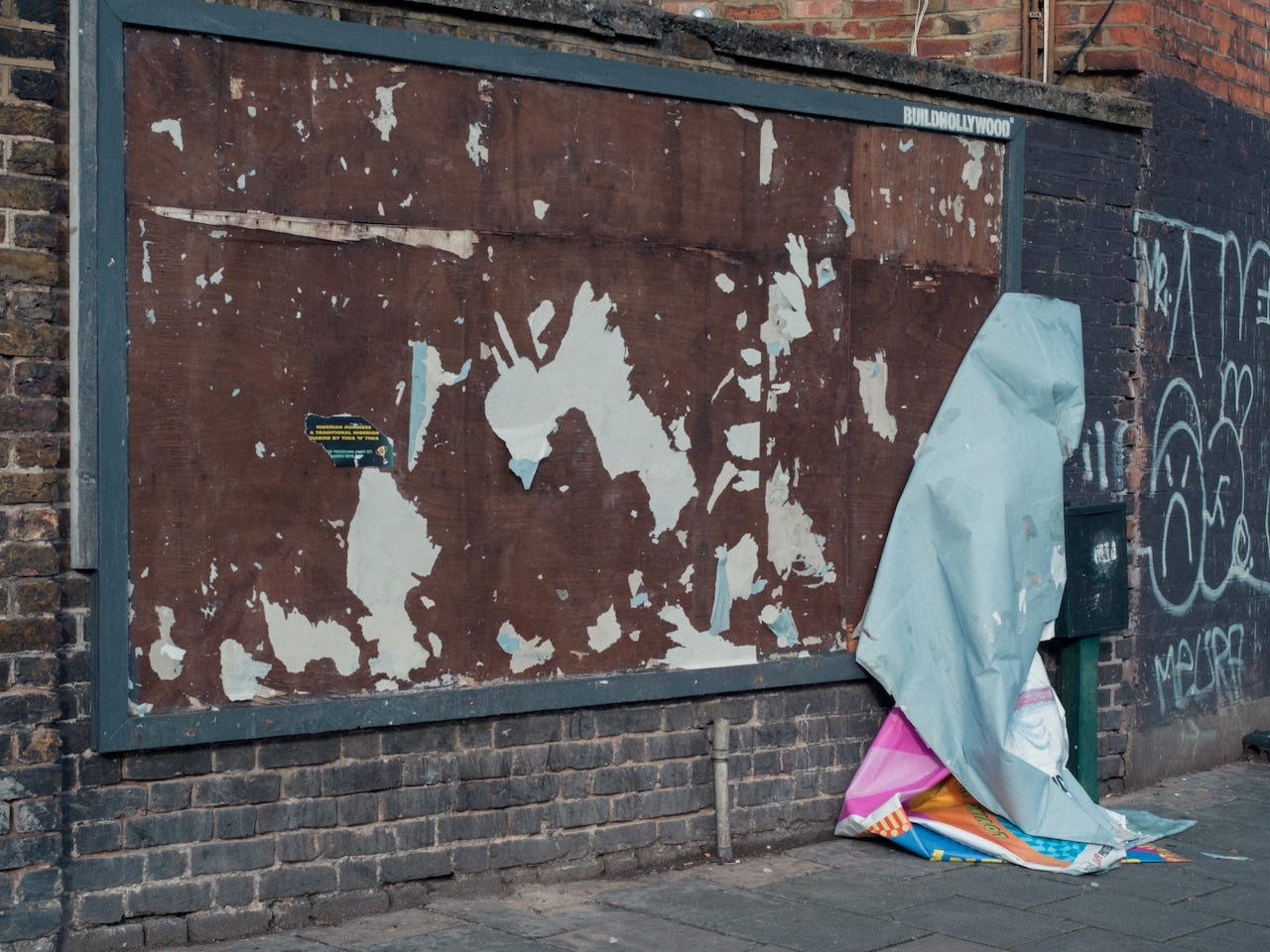
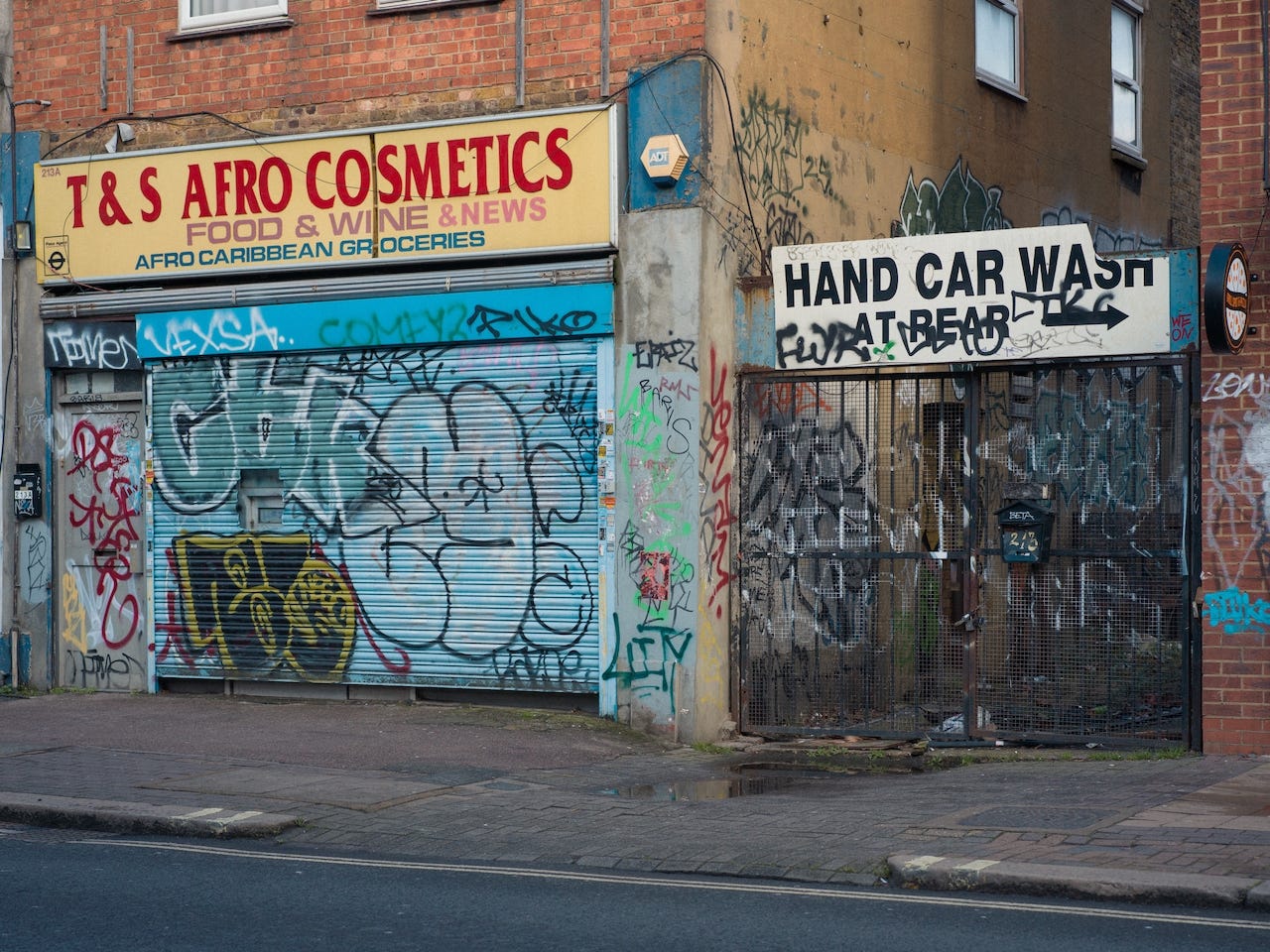
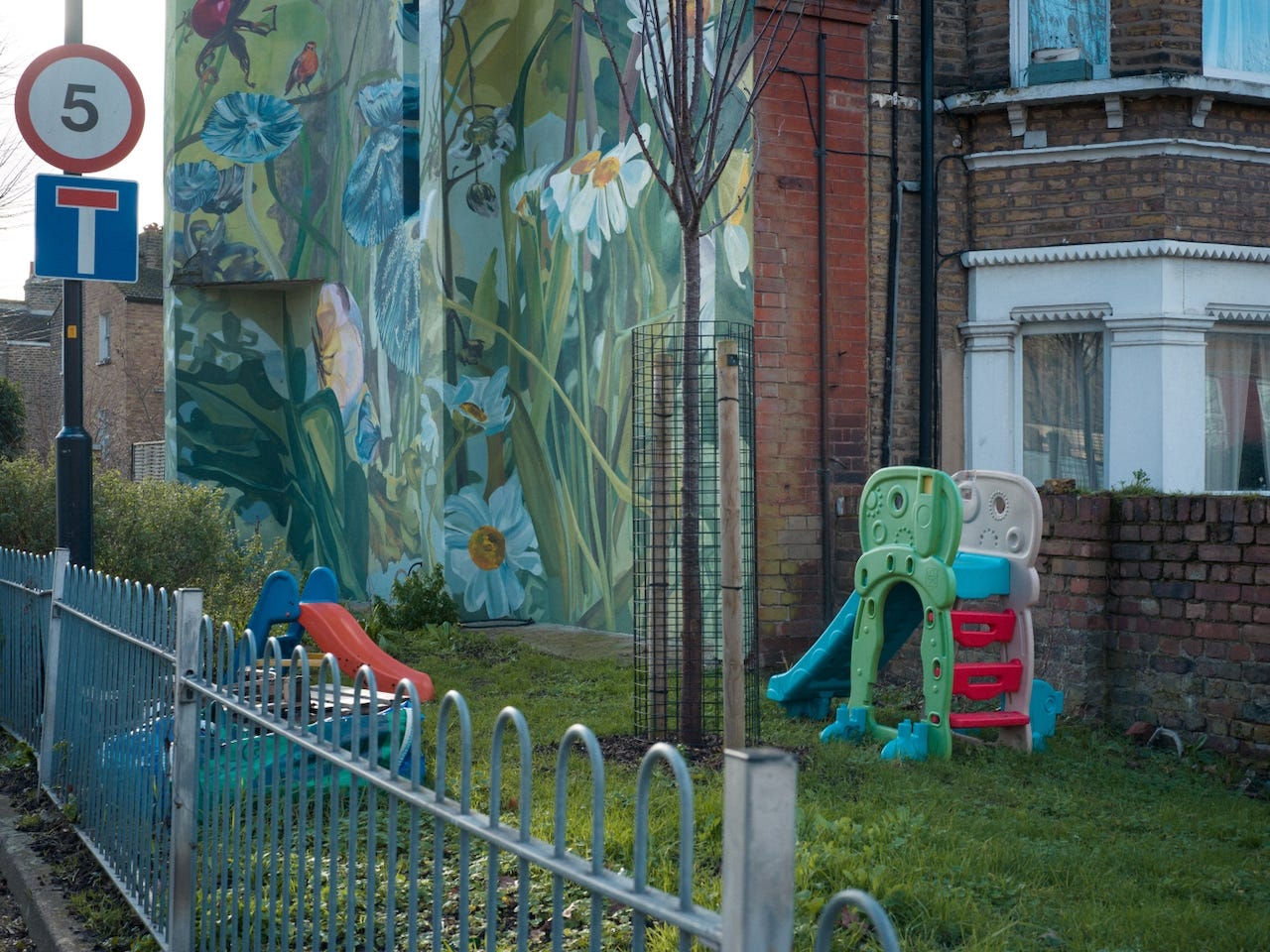
I was so busy walking and talking that I didn’t take many pictures. I returned a couple of days later (with my wife) to retrace the journey, almost. Here are a few pictures from both walks. The visual residues.
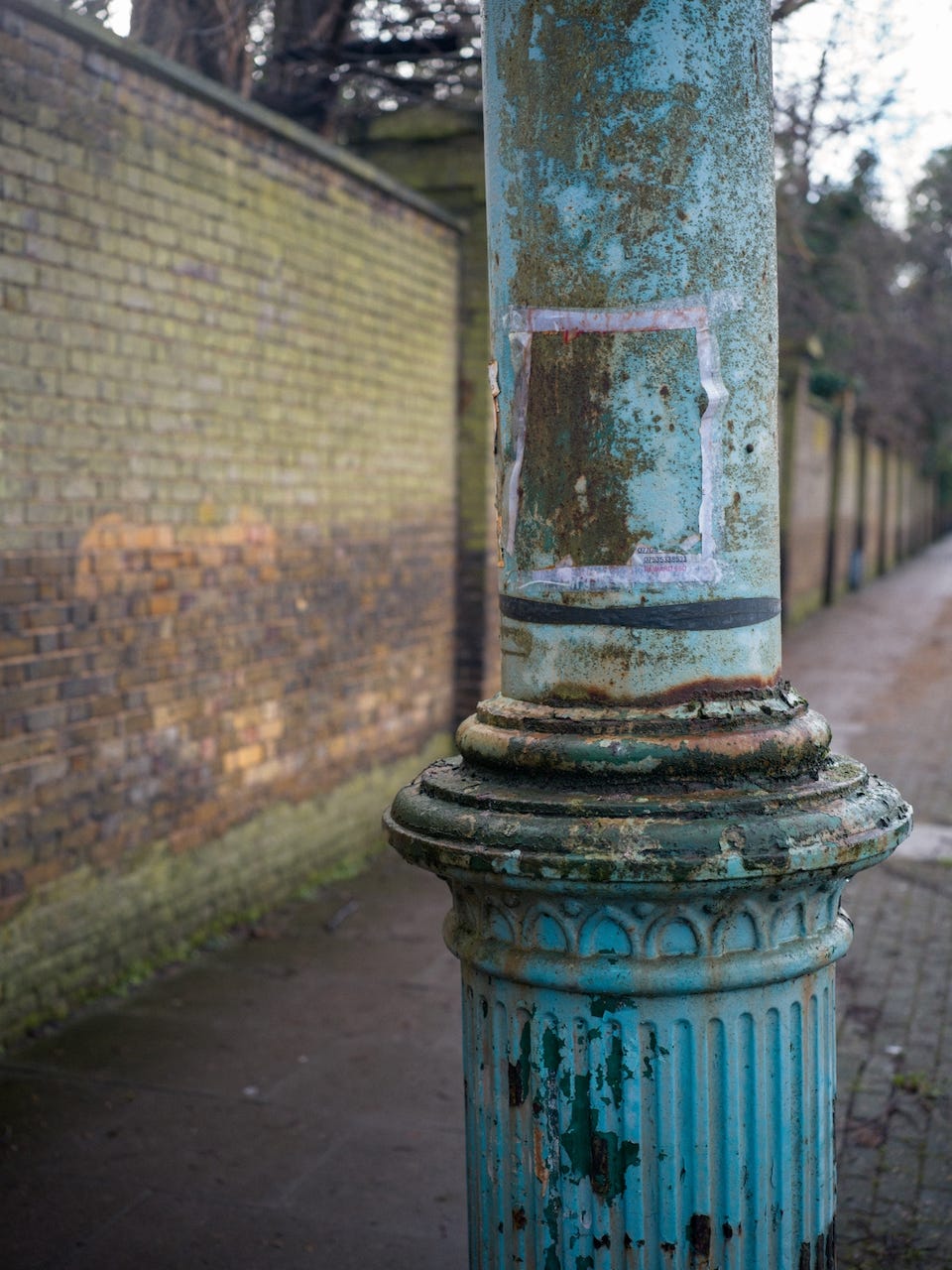
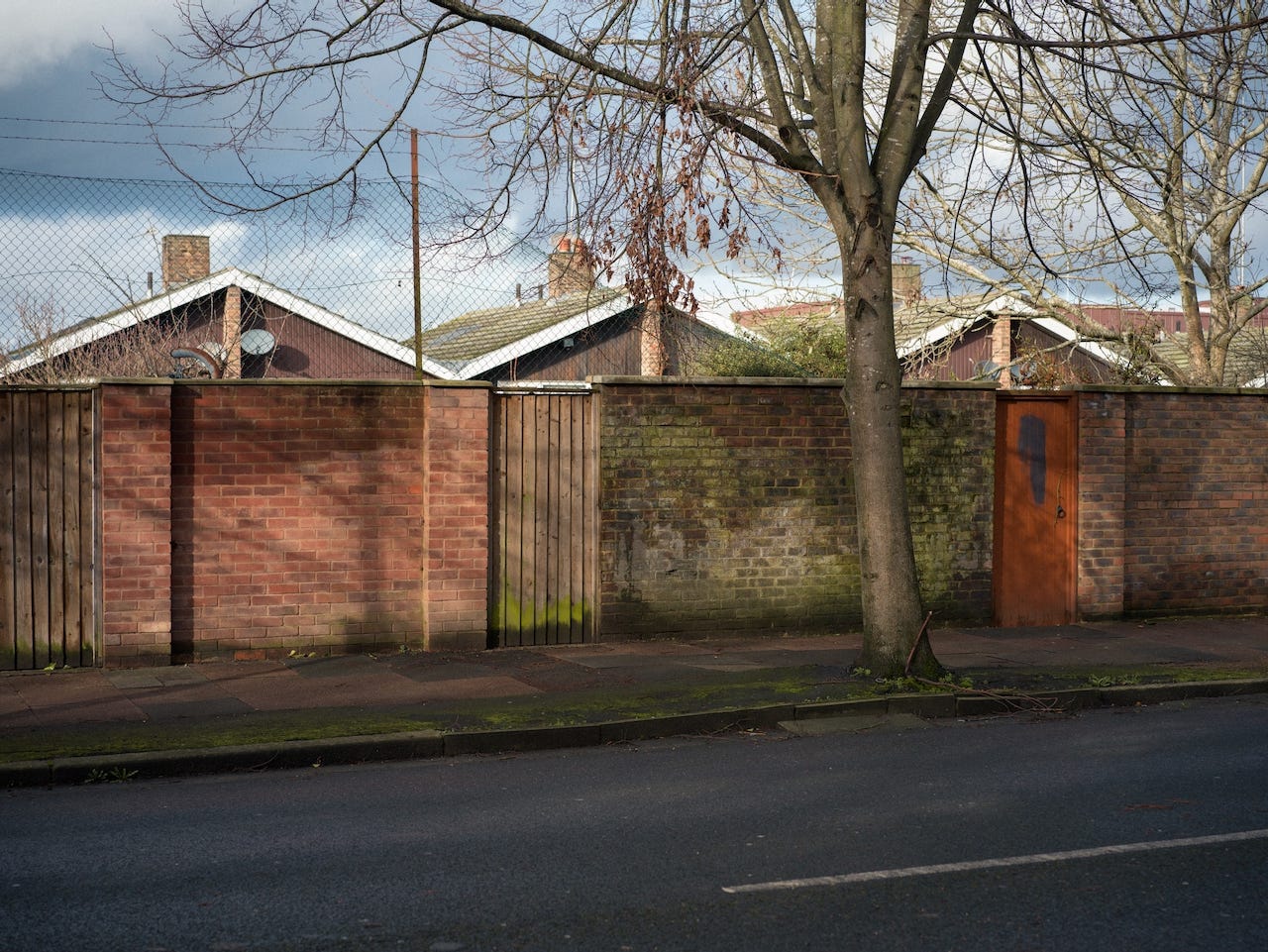
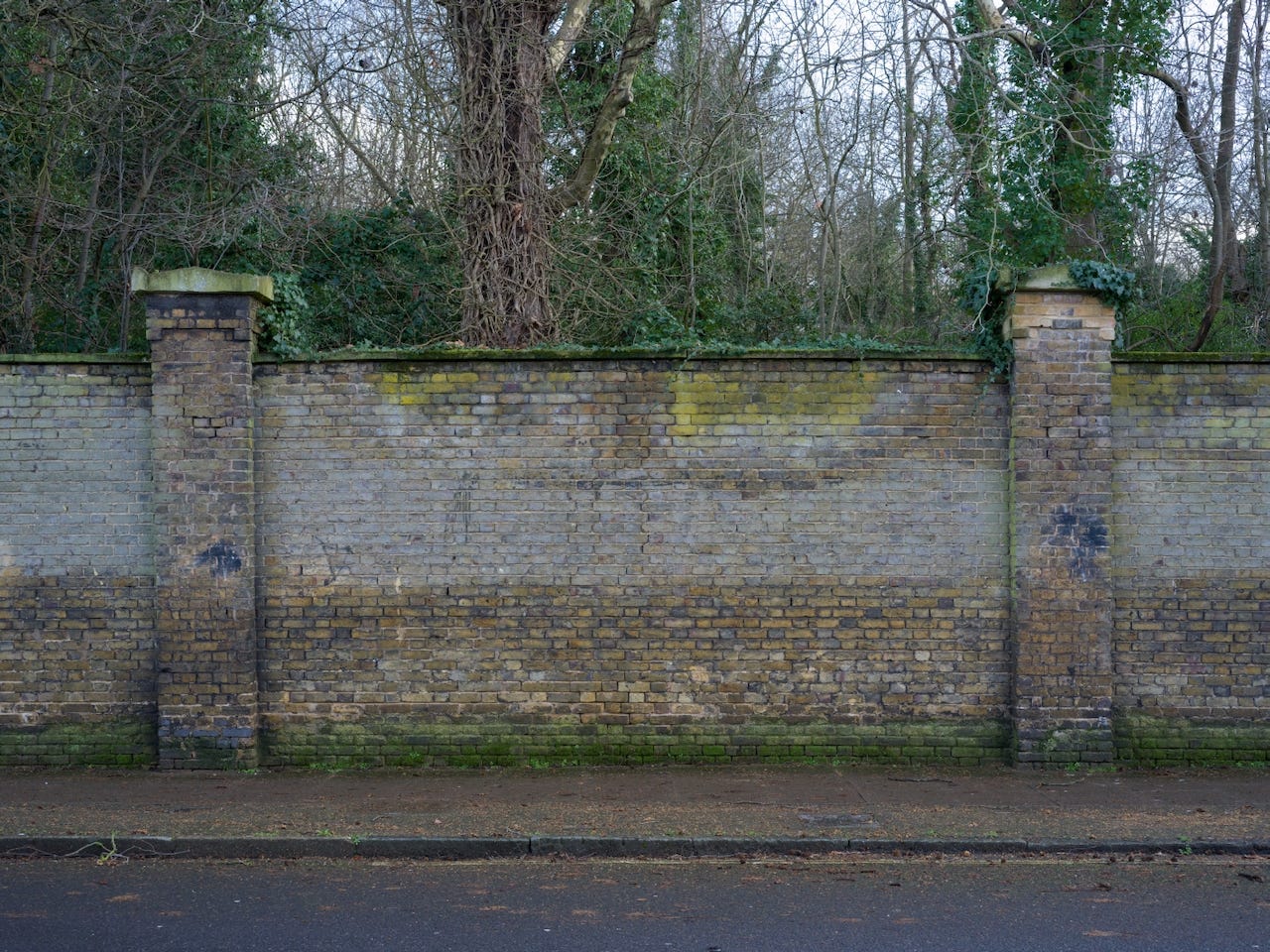
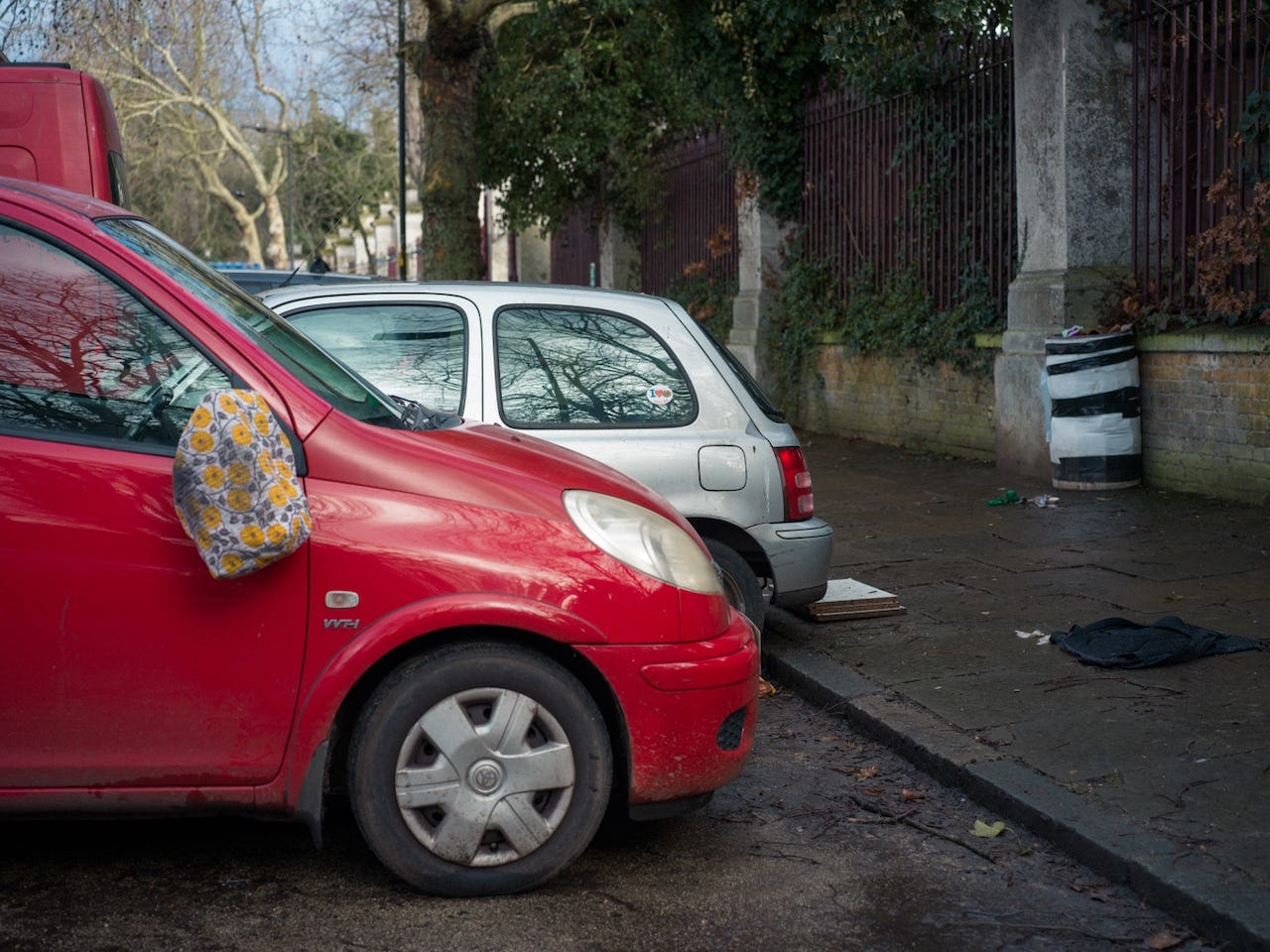
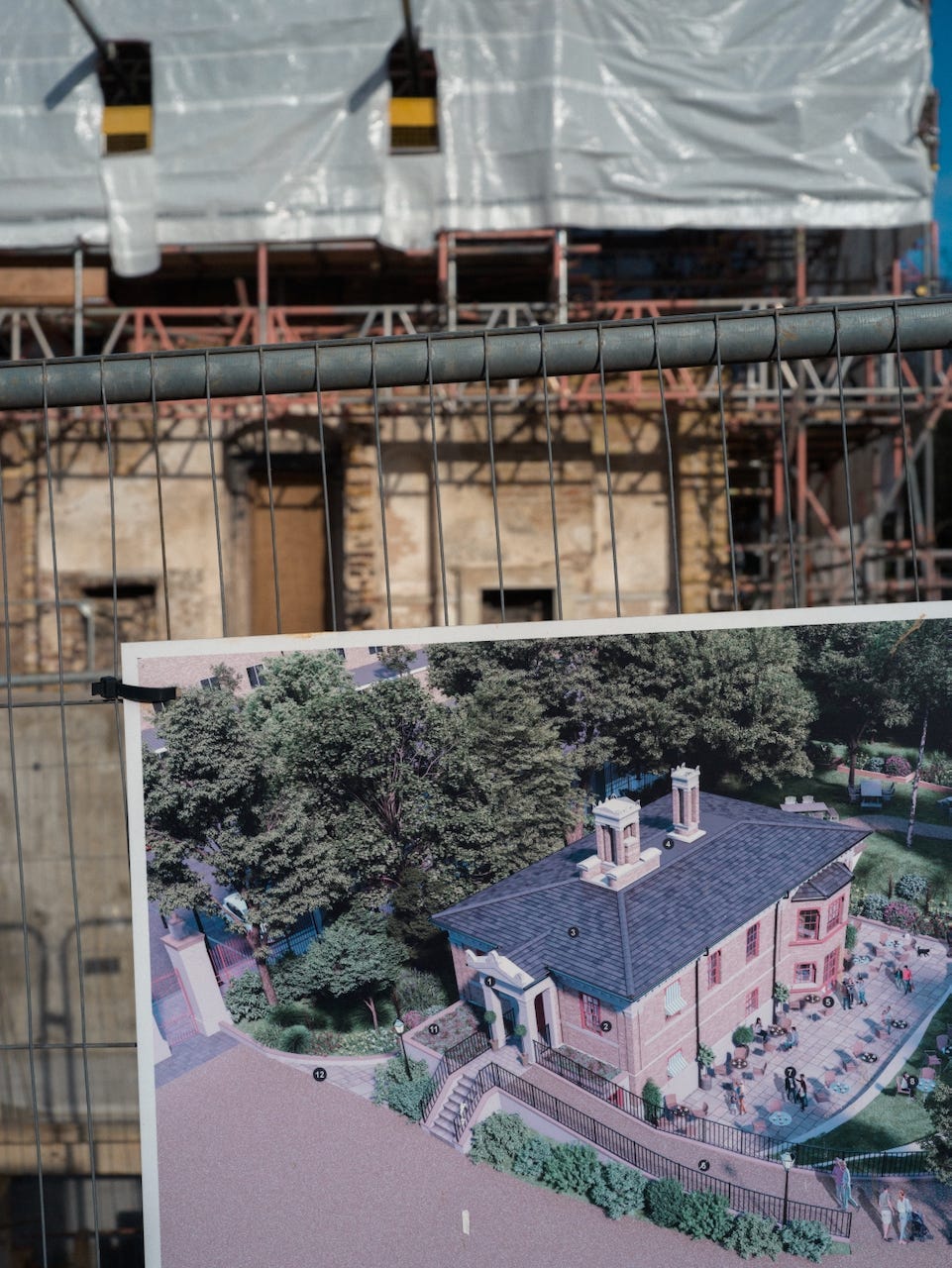
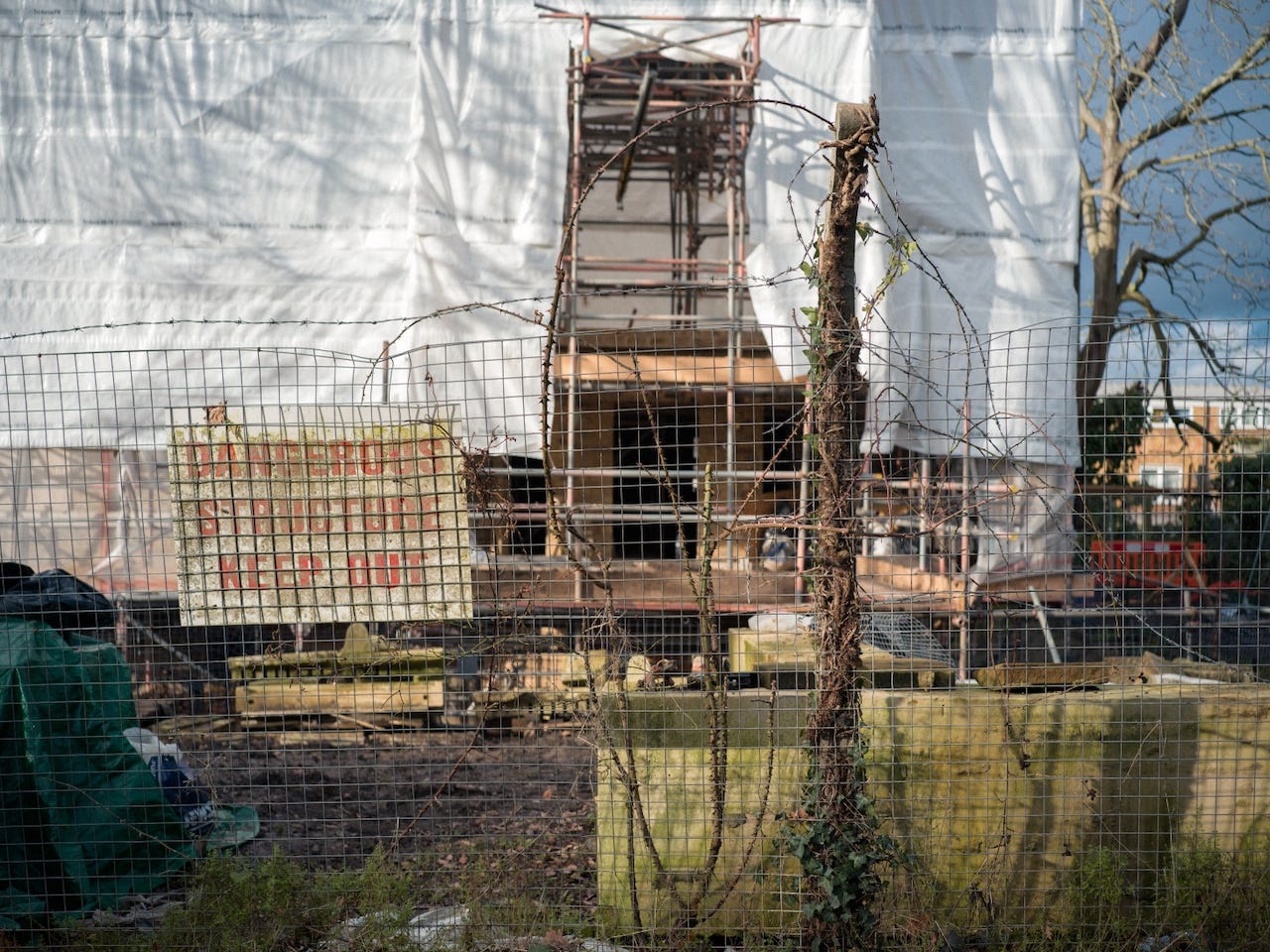
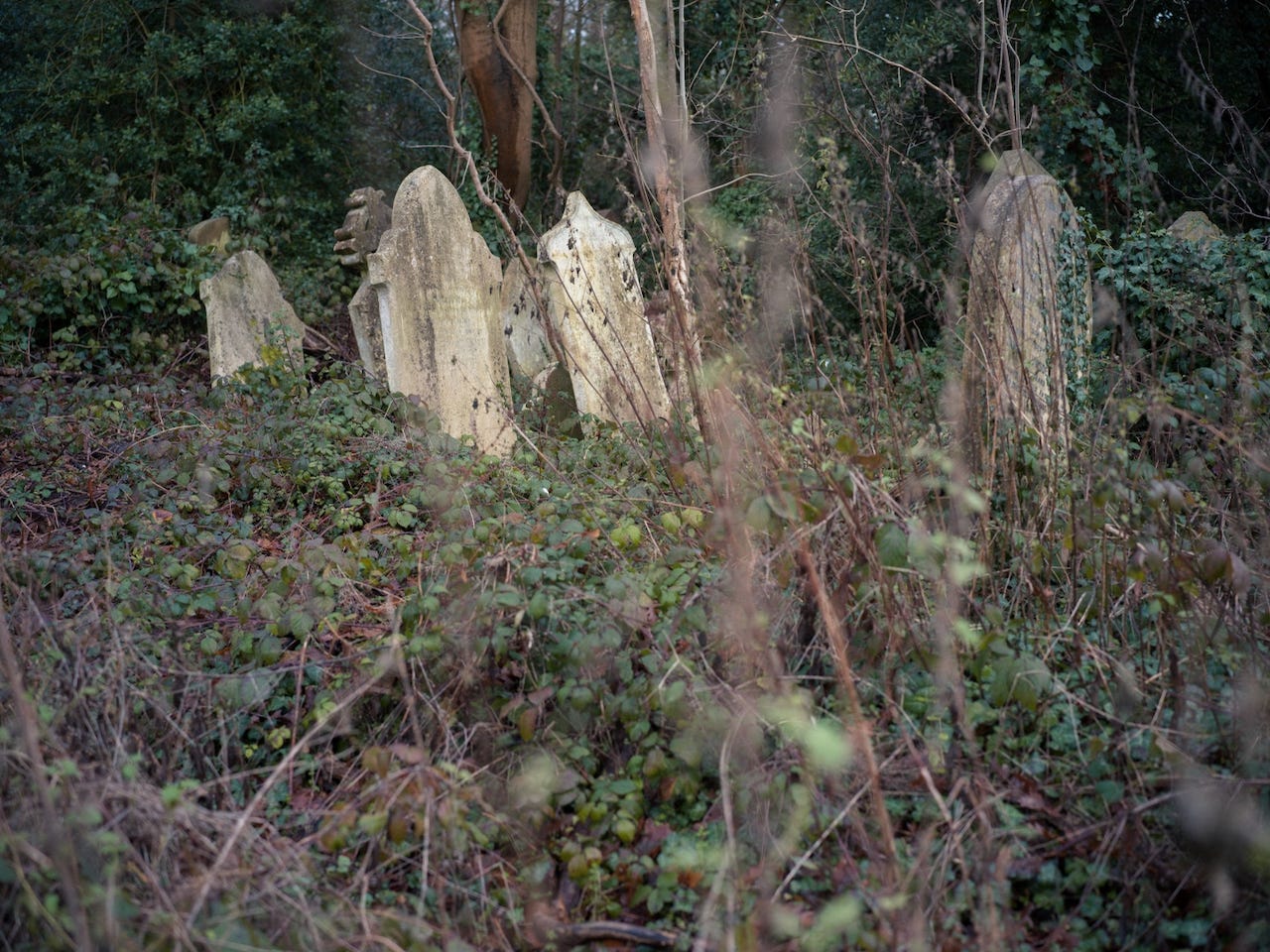
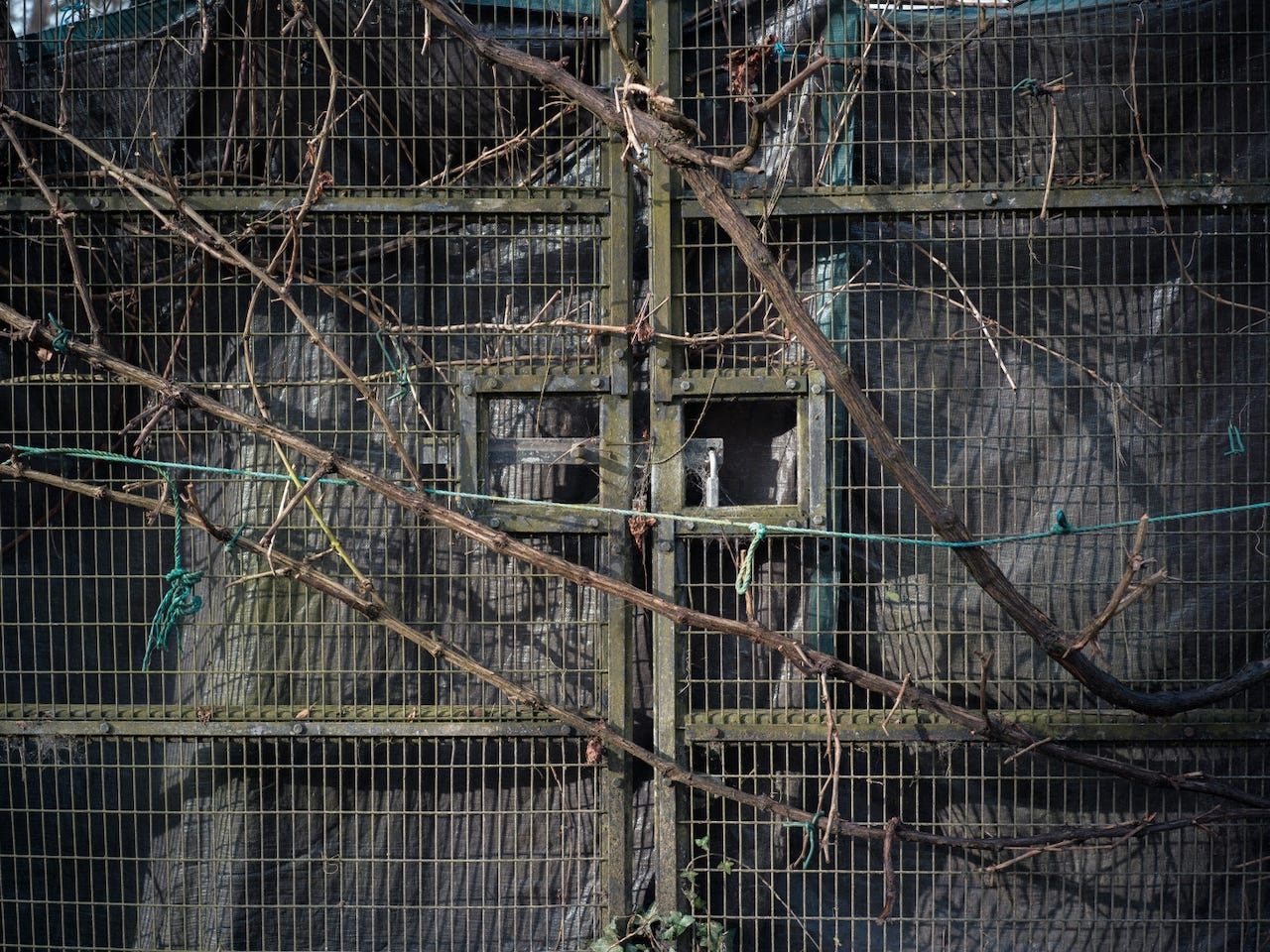
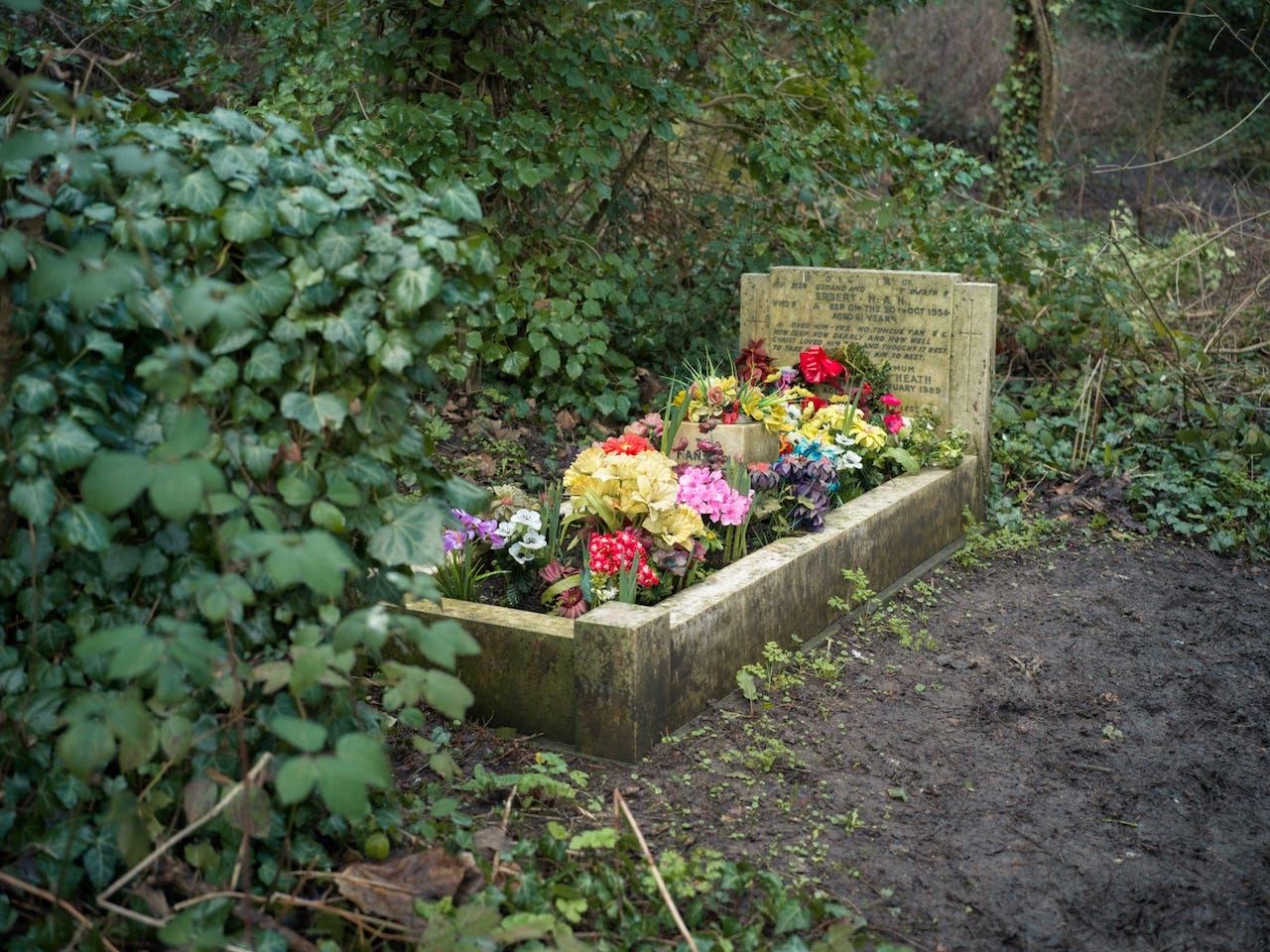
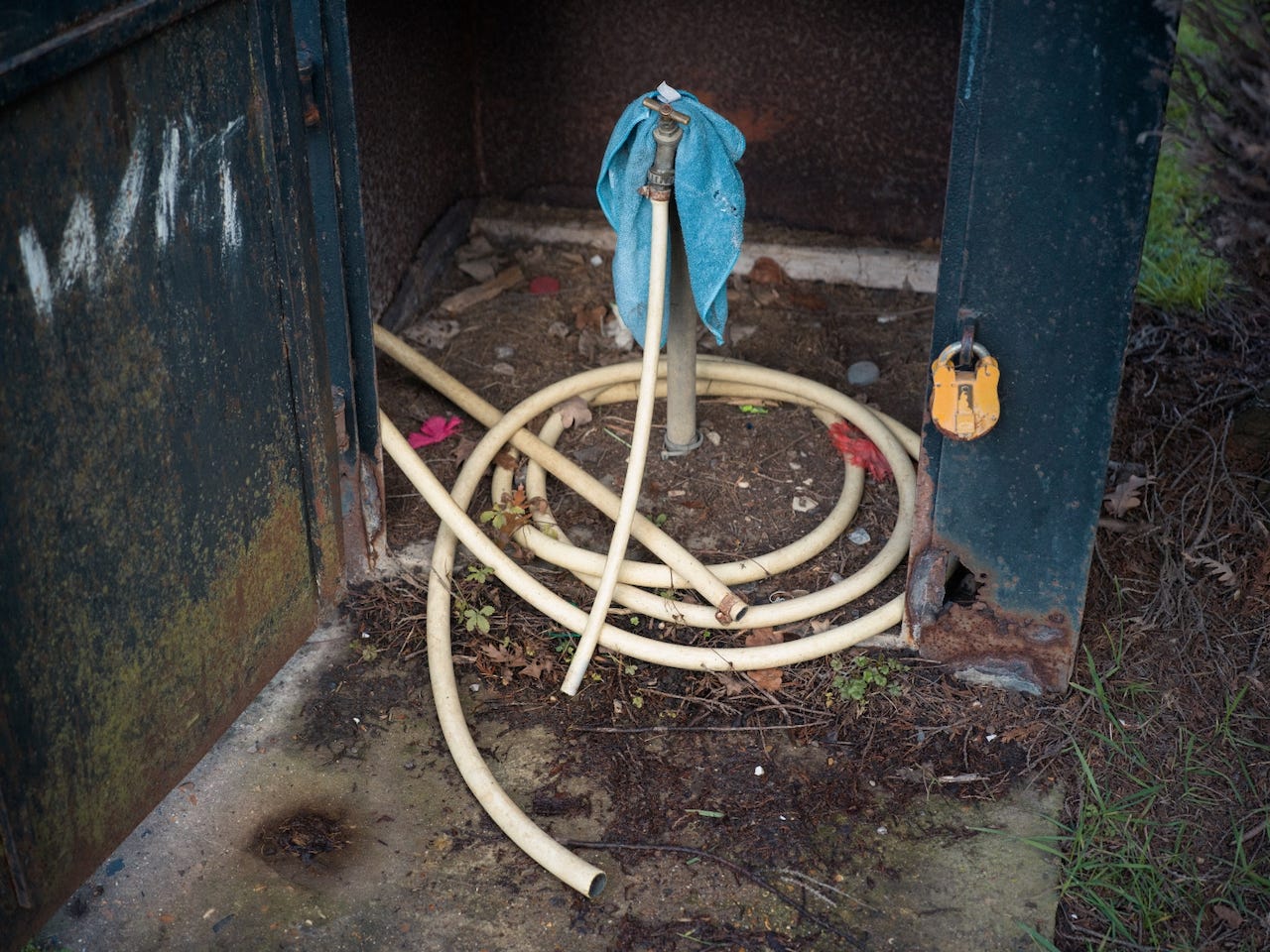

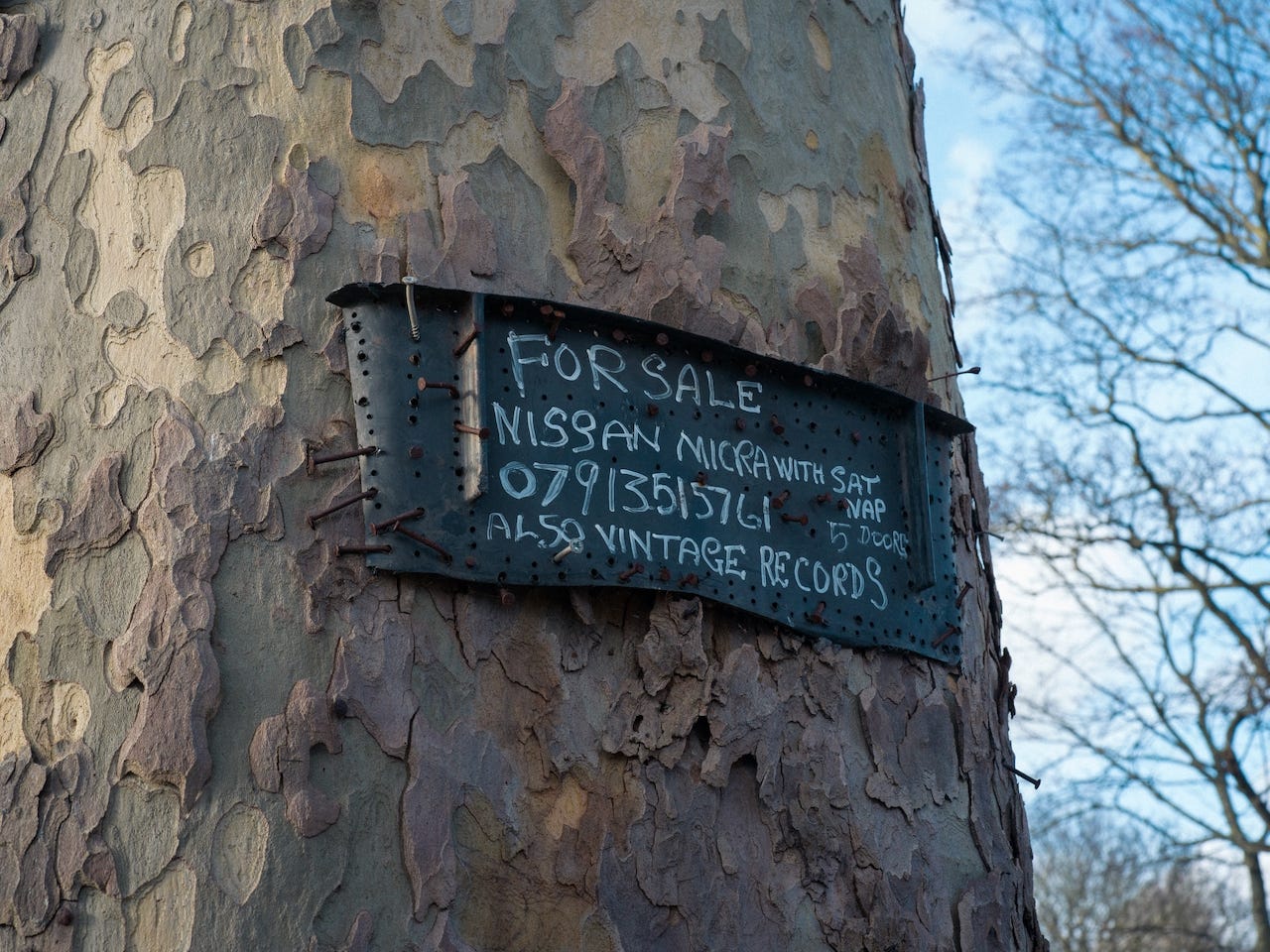
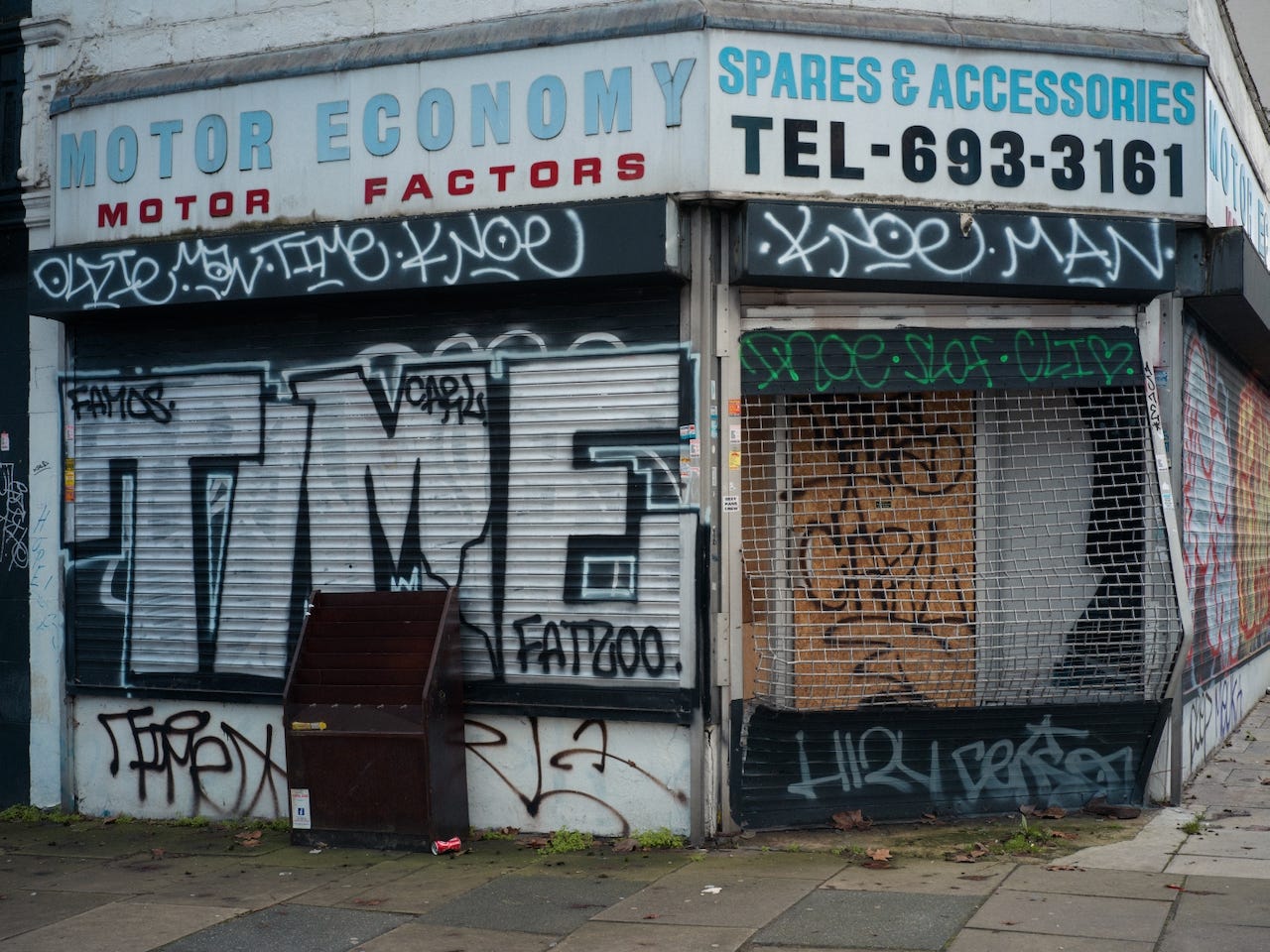
Thanks again to Caroline for agreeing to share a walk with me through the terrain vague.
These posts will always be free but, if you enjoy reading them, you can support my analogue photography habit by contributing to the film fund. All donations of whatever size are very gratefully received.
I love the idea of the terrain vague, and I realise I am always seeking out such places for their unpredictability and sense of possibility. Peckham and Nunhead provided such places in abundance. Thank you for joining me on a wander, and for capturing these residues. It was fun to collaborate.
Caroline led me here. Wonderful pictures. I see we both hunt for those strange places that most people never notice, or care about in the first place.
Where does the Patrick Barron quote come from?