
Drifting through grey-brown streets
On returning to Florence.

Another long post I’m afraid that may not be totally visible in your email application. Do consider viewing it in the Substack app or website.
In 2002 I took a group of sixth formers to Florence on a school trip. I was an English and History of Art teacher at the time, in the days before the A-level photography course existed. Twenty-three years later, I decided to re-visit the birthplace of the Italian Renaissance, hoping for some Autumn sunshine, an over-abundance of art and decent pasta.
Back in the early 2000s, digital photography was a relatively new technology. For my first trip to Florence, I unwisely opted for a Sony Mavica, belonging to the school. It was a strange beast, using 3.5” floppy disks for storage. Hard to imagine now.
Obviously, in hindsight, a film camera would have been a better bet, not least because I would not have been restricted by the 640 x 480 pixel resolution!1 Here are some of the pictures I took with that camera on our 2002 trip, slightly enhanced by modern technology:


I loved those annual Art History trips to foreign parts - Rome, Madrid, Barcelona, Vienna, Paris and Florence. They were always eventful, usually involving mishaps, misconnections and misdemeanours, fun-filled and memorable. For example, on the Florence trip, we had booked two hotels to accommodate the large group. However, the first hotel refused to acknowledge our reservation (made through a local agent of the travel company) so we had to make do with cramming the students into the other place for a couple of days until more rooms became available. On the journey home, the coach that I thought I had booked to take us from Stanstead to south east London failed to materialise. I don’t remember any of the students complaining or questioning my sanity. They seemed to accept that a certain amount of mayhem was par for the course. After six consecutive trips, and aware that my luck would one day run out, I decided to take a break. I haven’t organised a foreign school trip since.
Over the Autumn half term, I found myself back in Florence, reminiscing about the previous visit and excited to make some pictures with a few more pixels at my disposal.2
When I travel abroad, I like to do a bit of preparatory research.3 This time, I downloaded an audiobook of E. M. Forster’s A Room With A View, read Somerset Maugham’s Up At The Villa, and bought a second hand copy of Mary McCarthy’s Stones of Florence containing magnificent photographs by Evelyn Hofer.


By strange coincidence, just before we left for Florence, Neil Scott posted this extract from Forster’s novel, reminding us that he was a proto-Situationist:
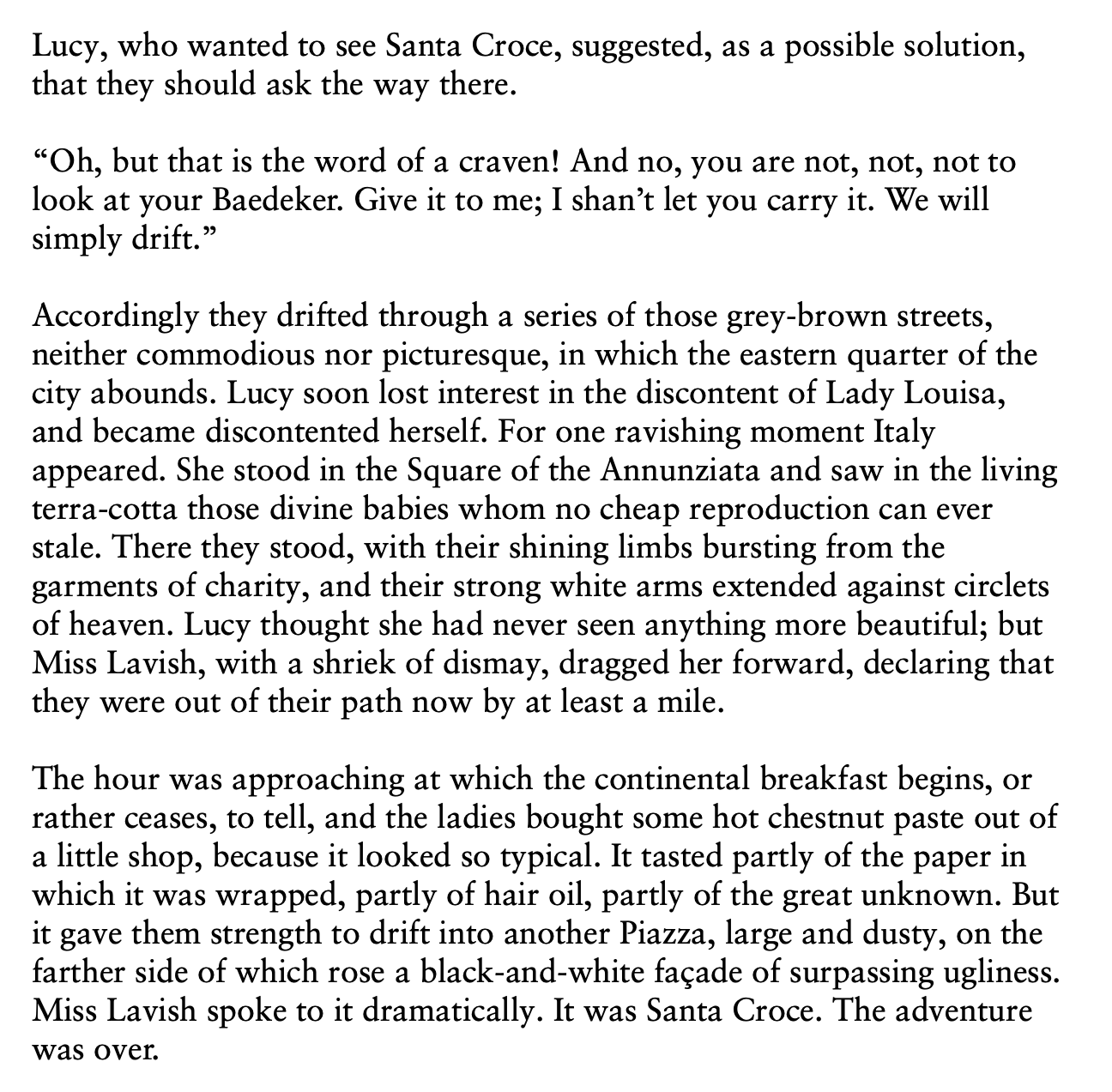
Consequently, drifting through the city became our modus operandi for the week, interspersed with visits to particular locations: the Brancacci Chapel and San Marco for the Masaccio and Fra Angelico frescoes; the Murate Art District to see textile work by Jakkai Siributr; Sant’Orsola for The Rose That Grew From Concrete exhibition and, by chance, some photographs by Fosco Maraini at the Central Market.
The longer I spent walking and photographing, with no particular project in mind, the more I began to wonder about the link between power and creativity. Florence can do that to you! What role do the arts really play in society?
In recent years I’ve begun to question the value of creativity, at least the sort of creativity that is responsible for environmental collapse, over-consumption, political propaganda and the so-called Art Market. I’ve even begun to wonder about the ethics of encouraging young people to study the arts at university. To be honest, I’m completely befuddled by these thoughts and switch bewilderingly between total commitment to the arts and wild cynicism about their purposes.
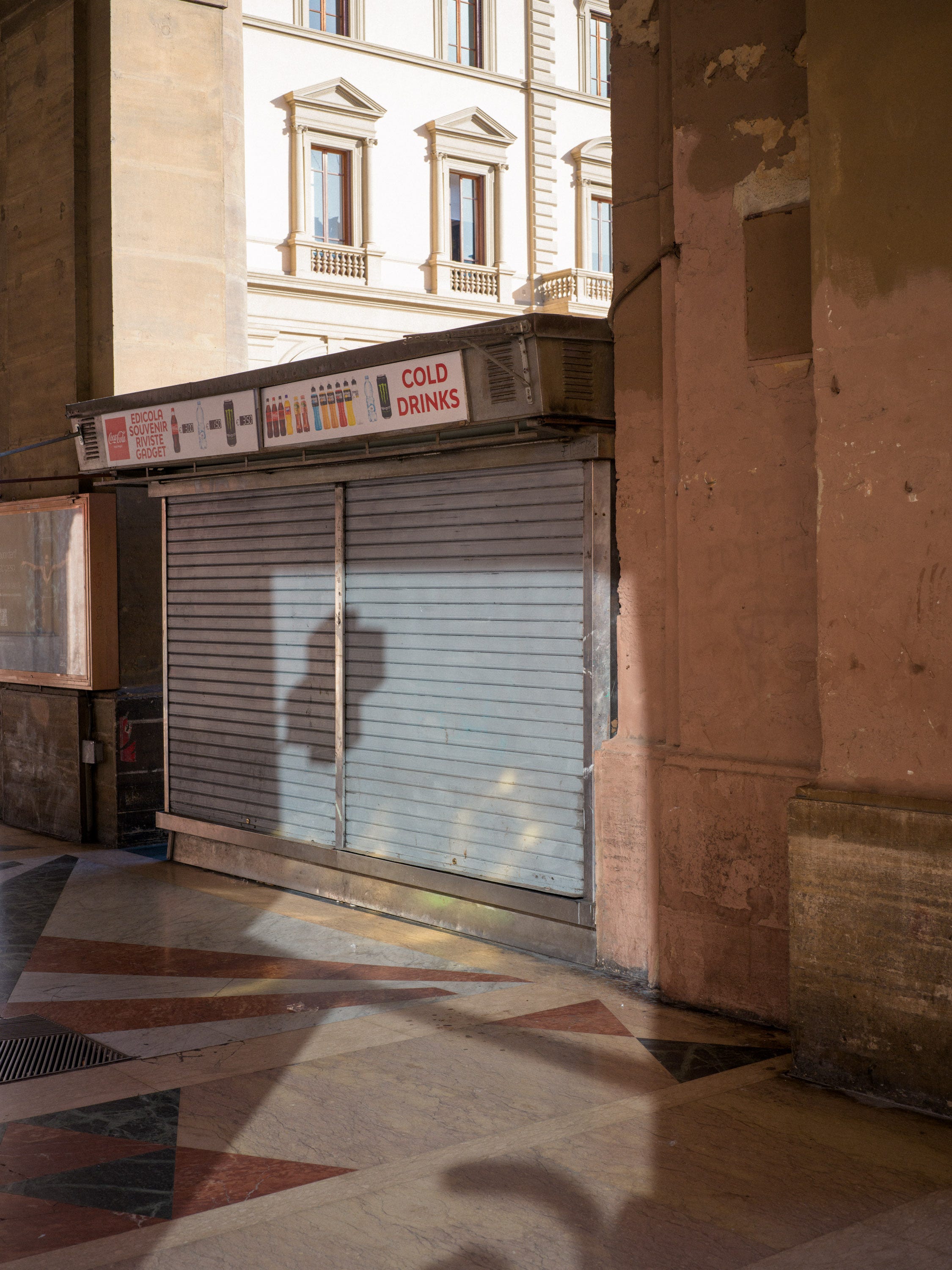
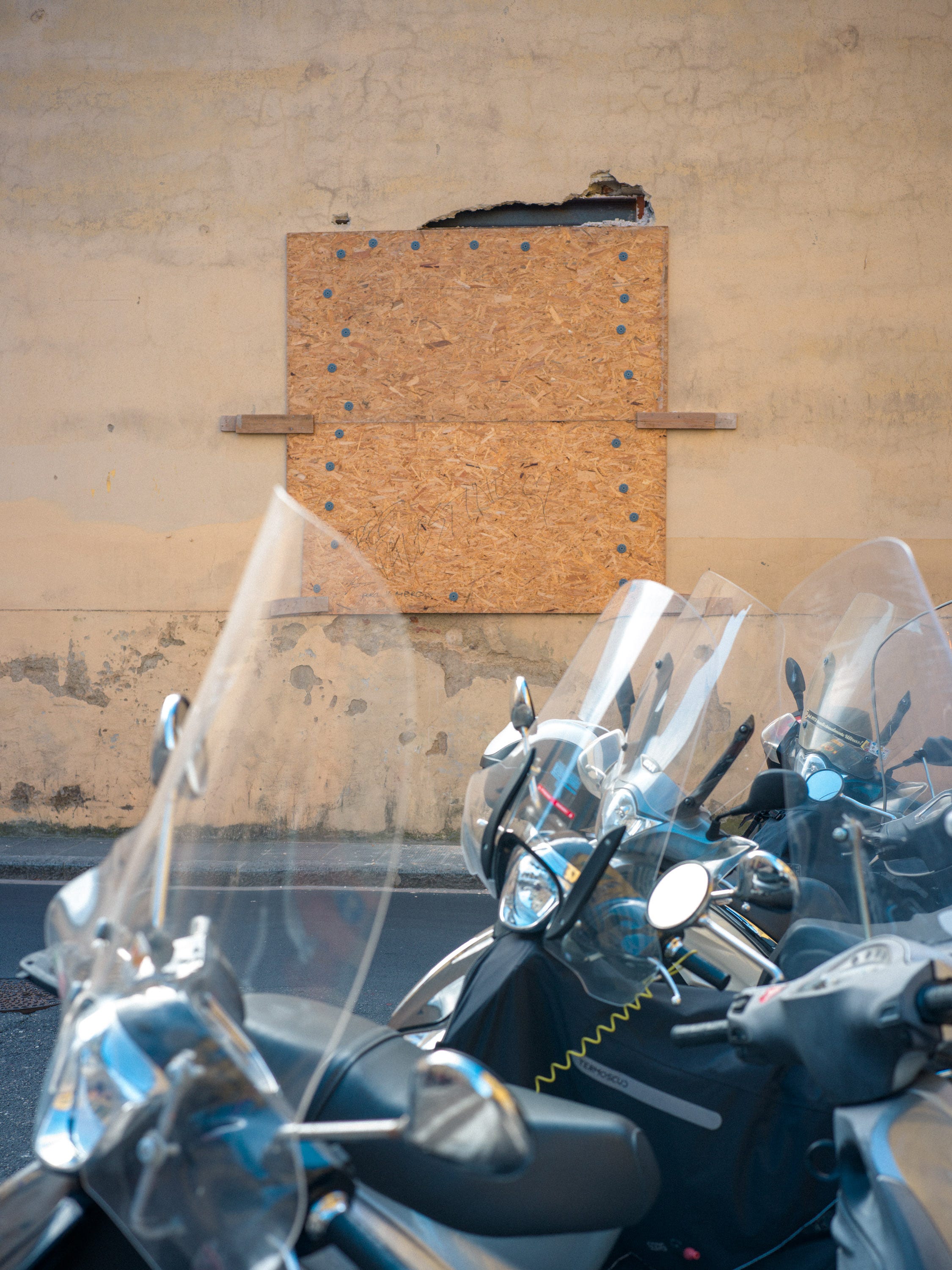
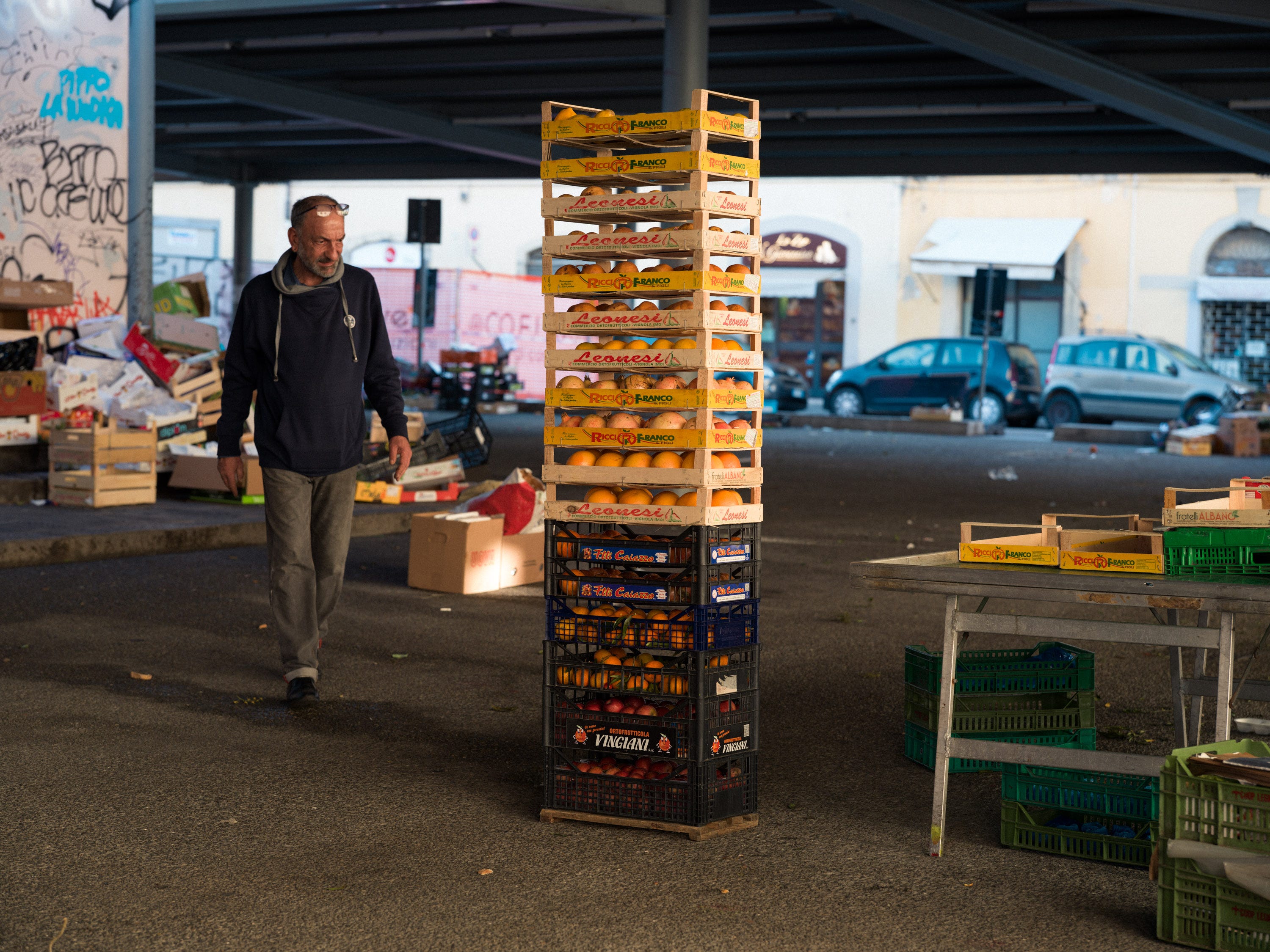
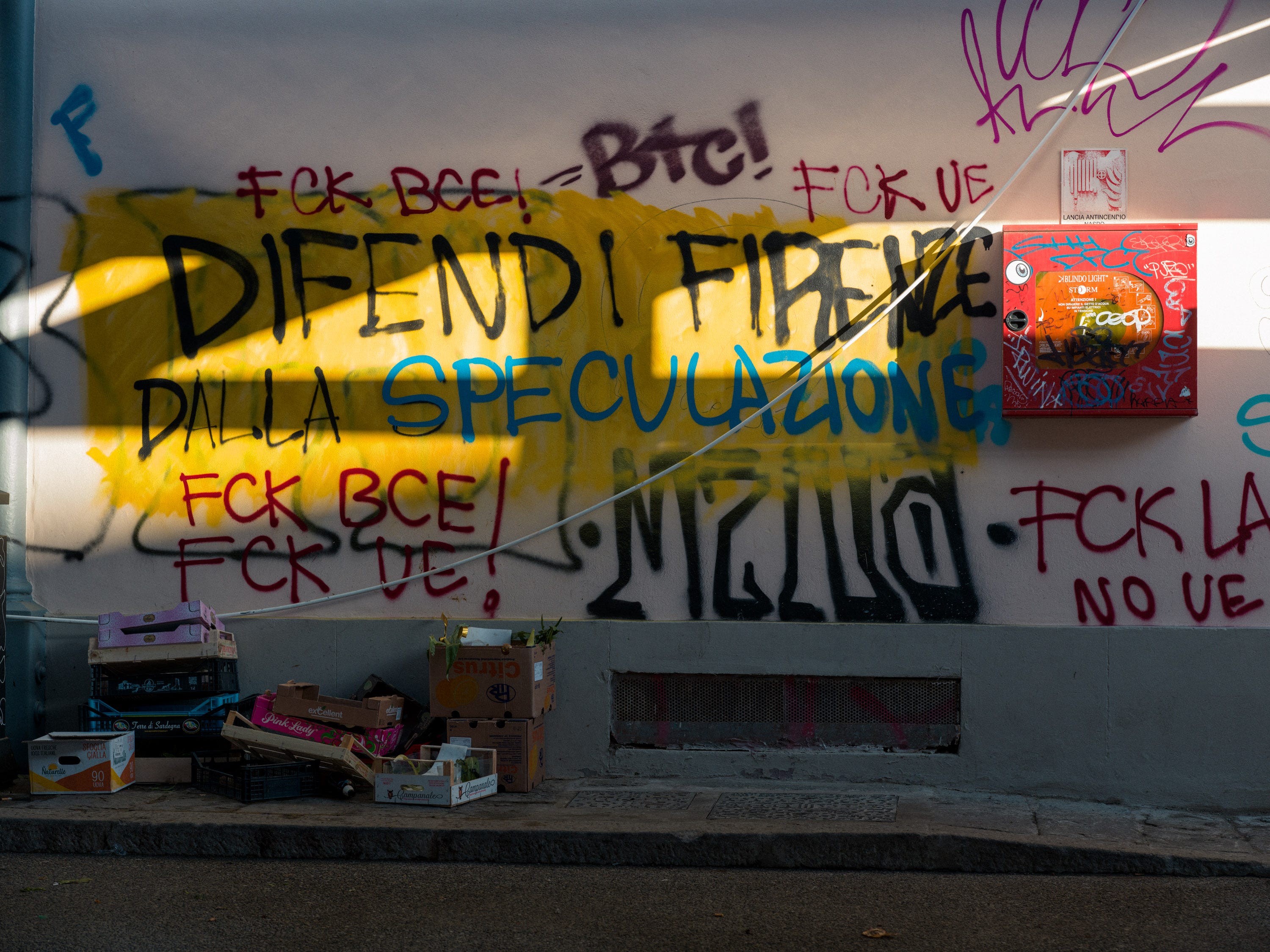
Wandering through the tourist-packed streets of Florence, occasionally distracted by anti-Airbnb graffiti and entranced by the light and the extravagant beauty of my surroundings, did nothing to alleviate my cognitive dissonance.
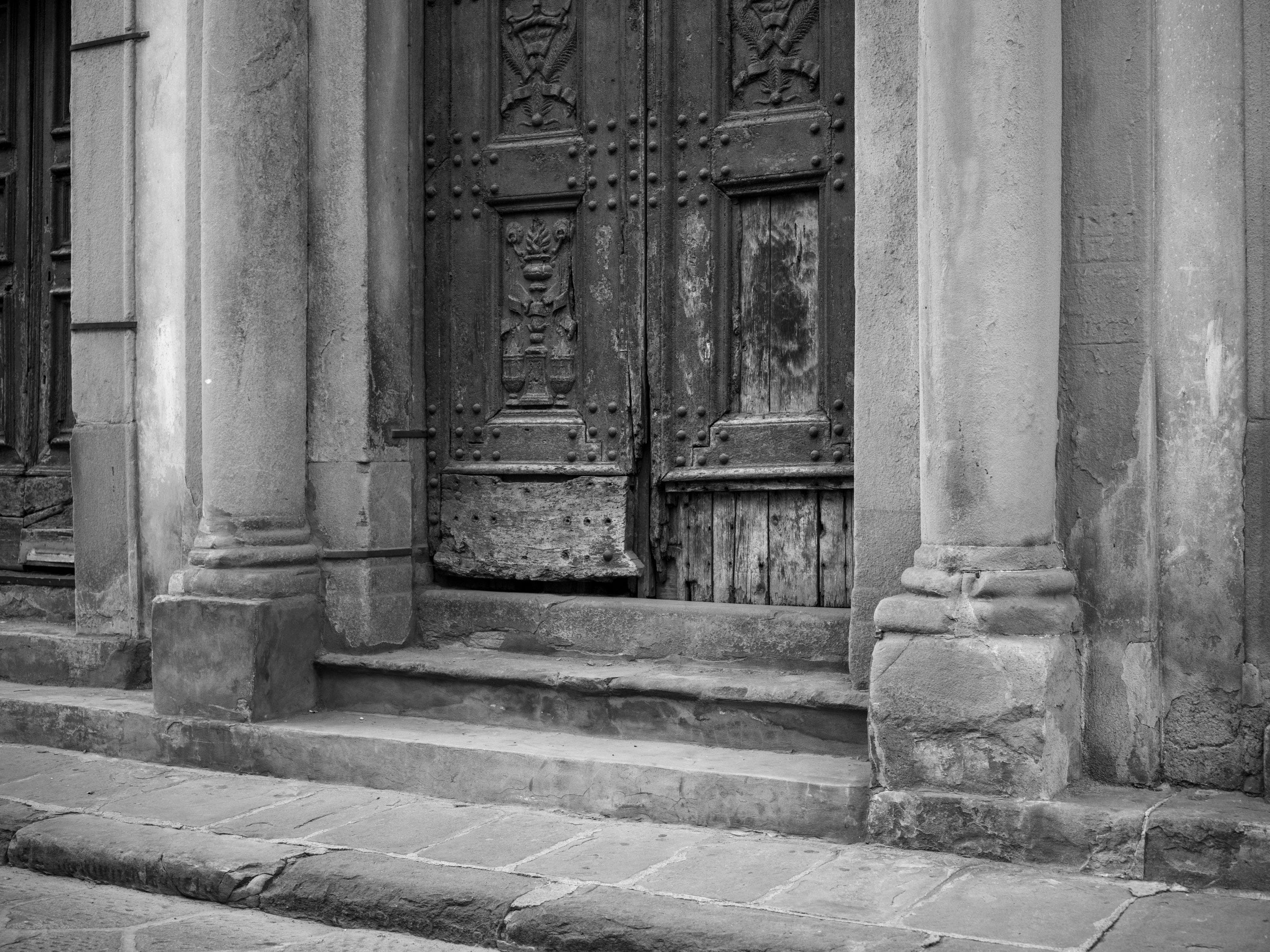
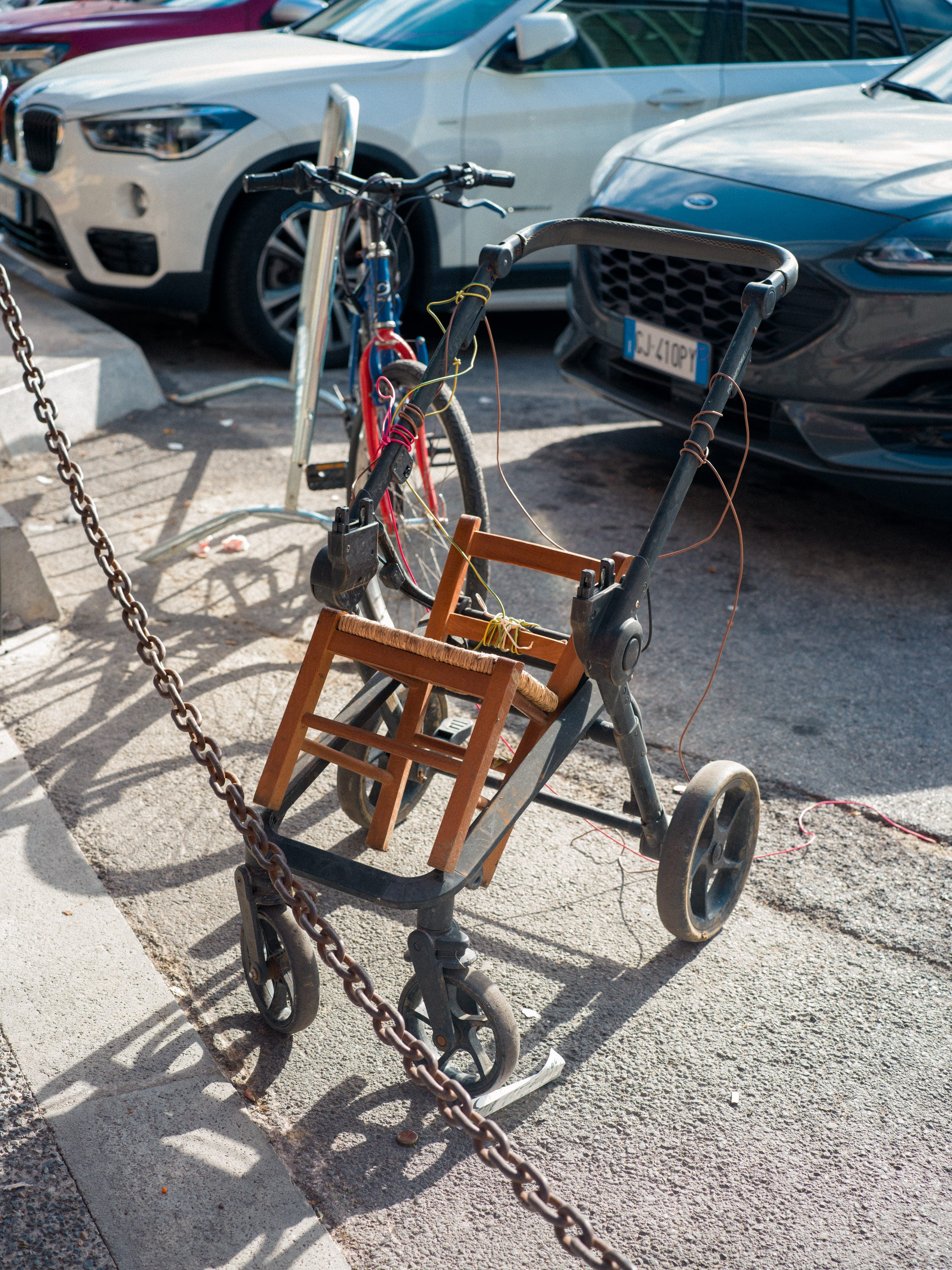
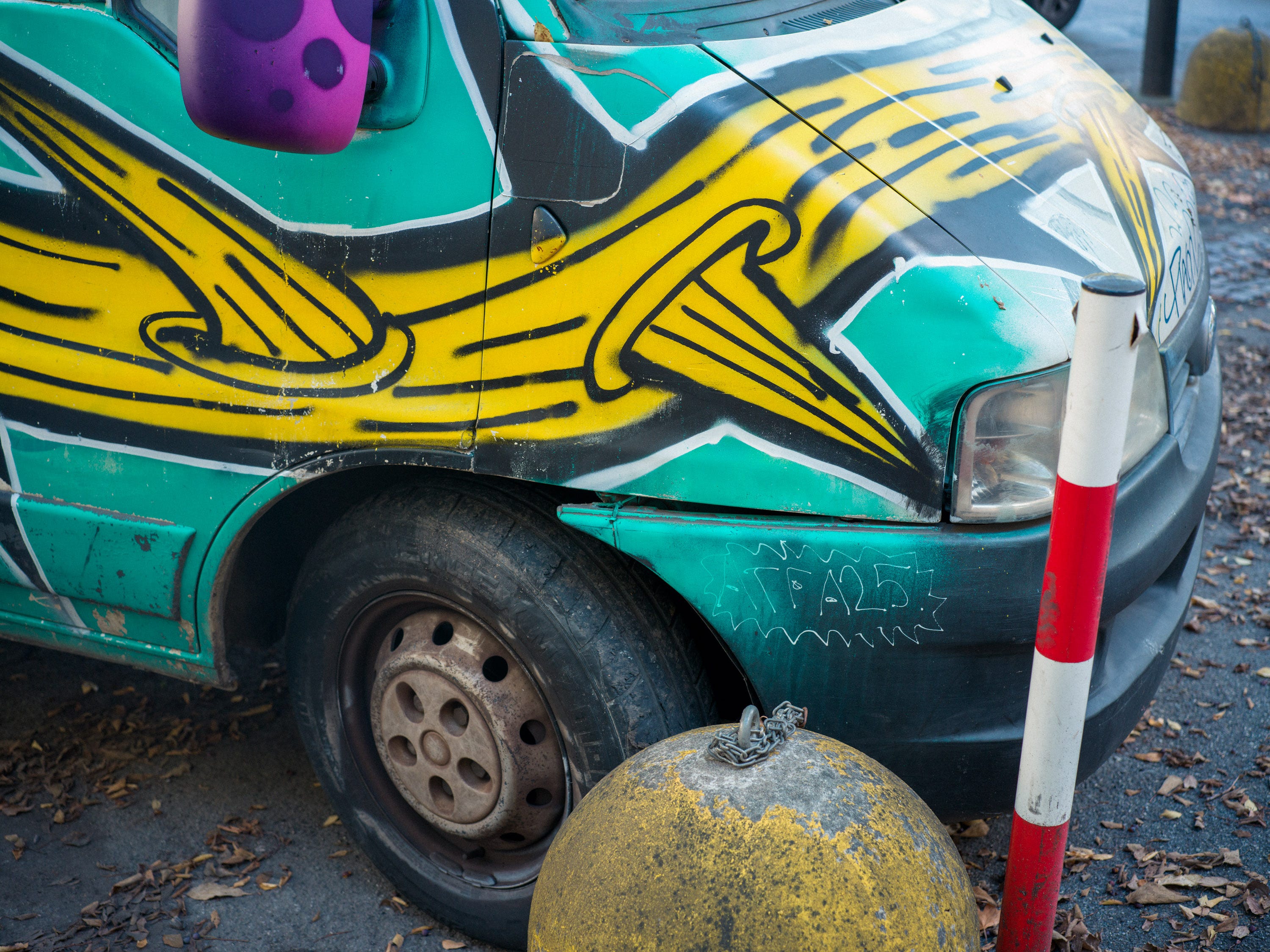
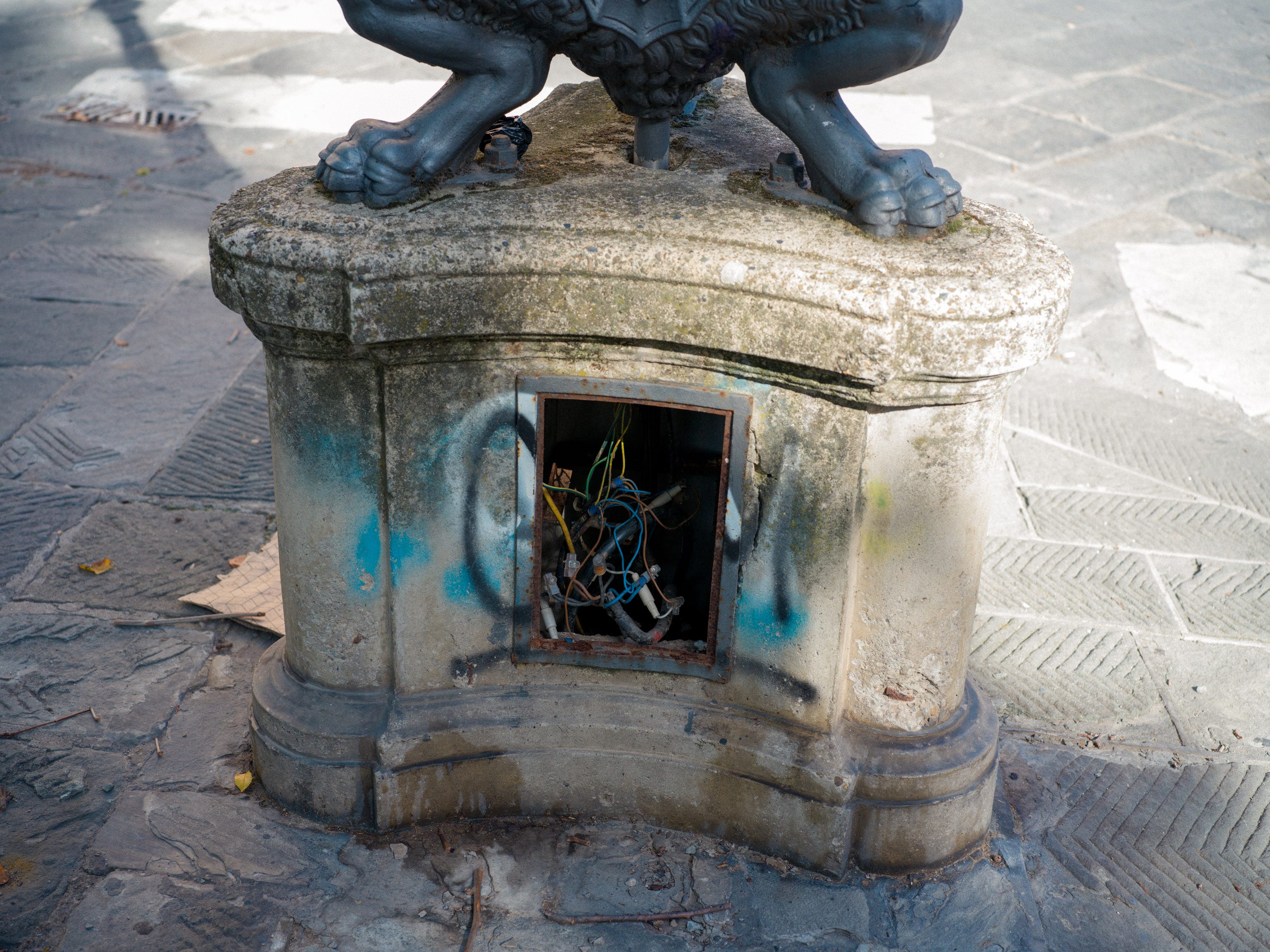
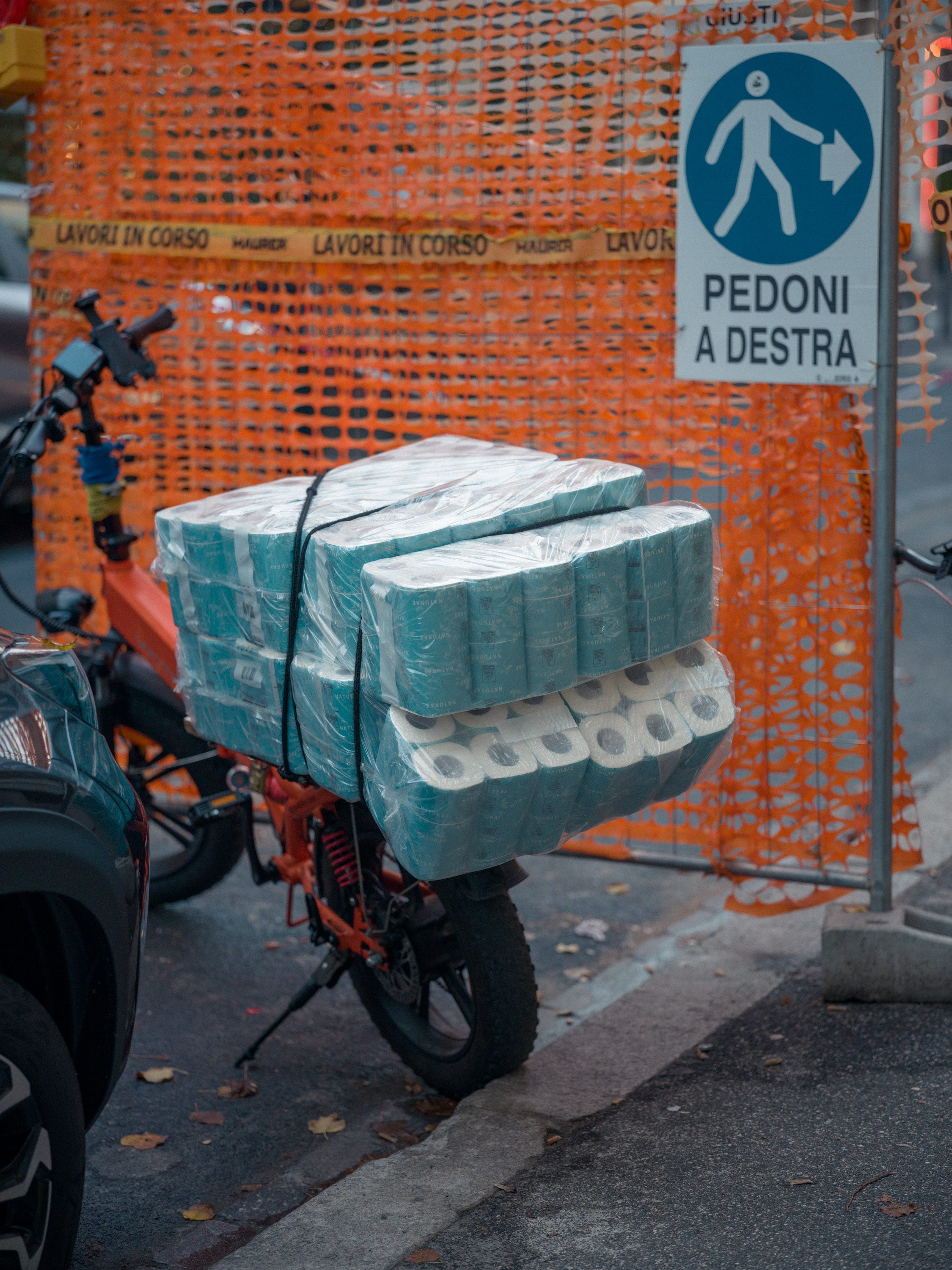
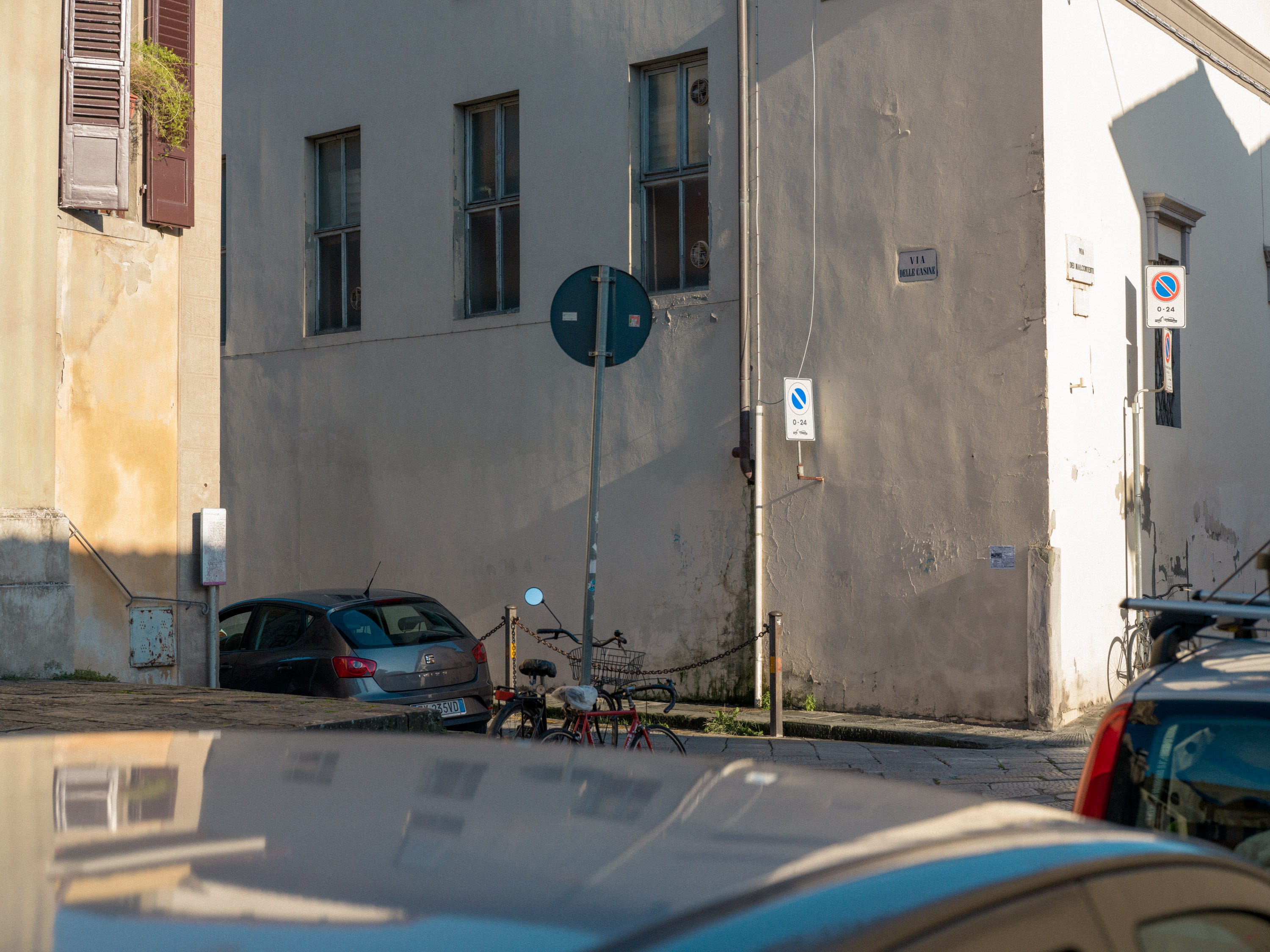
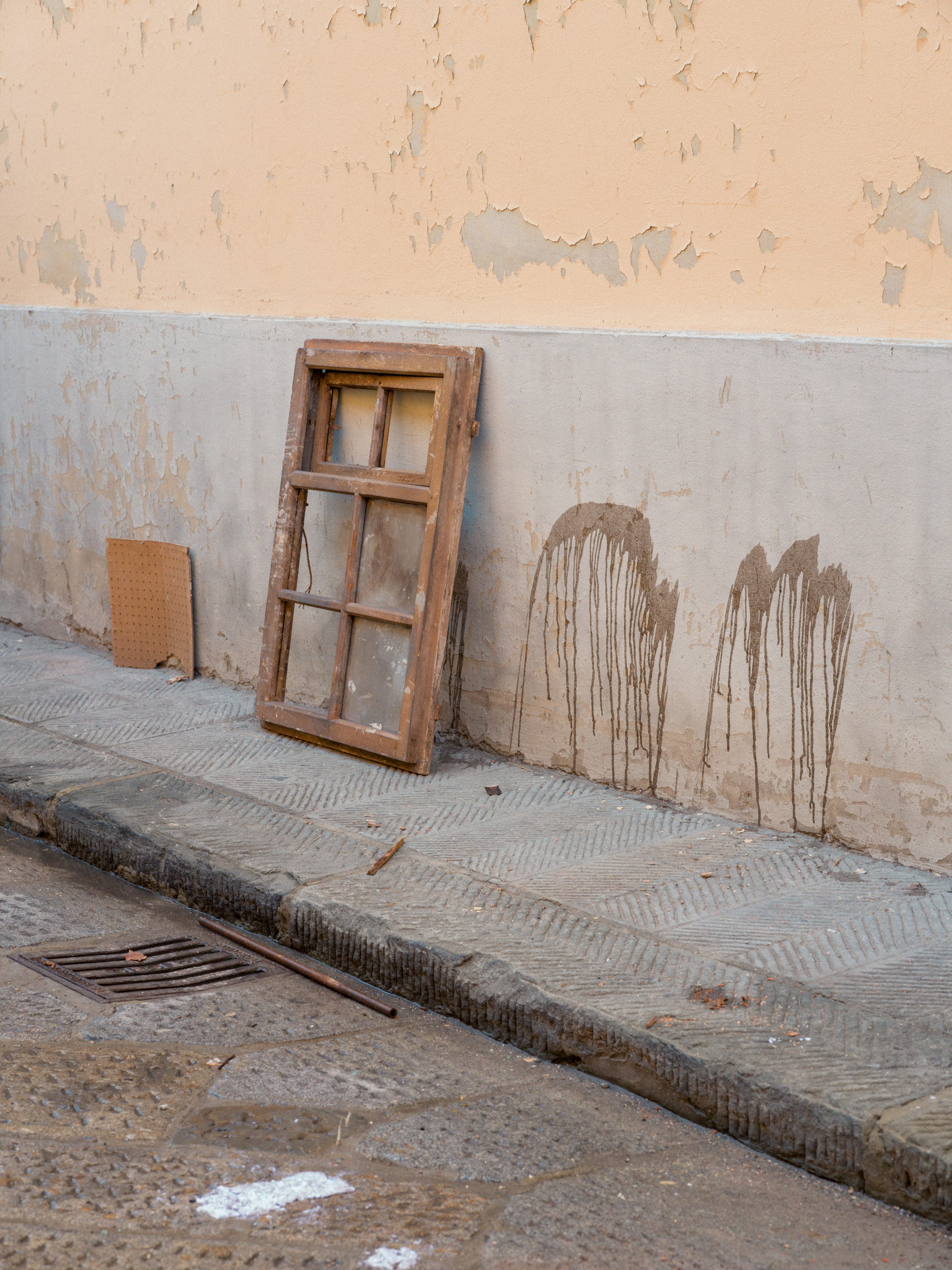
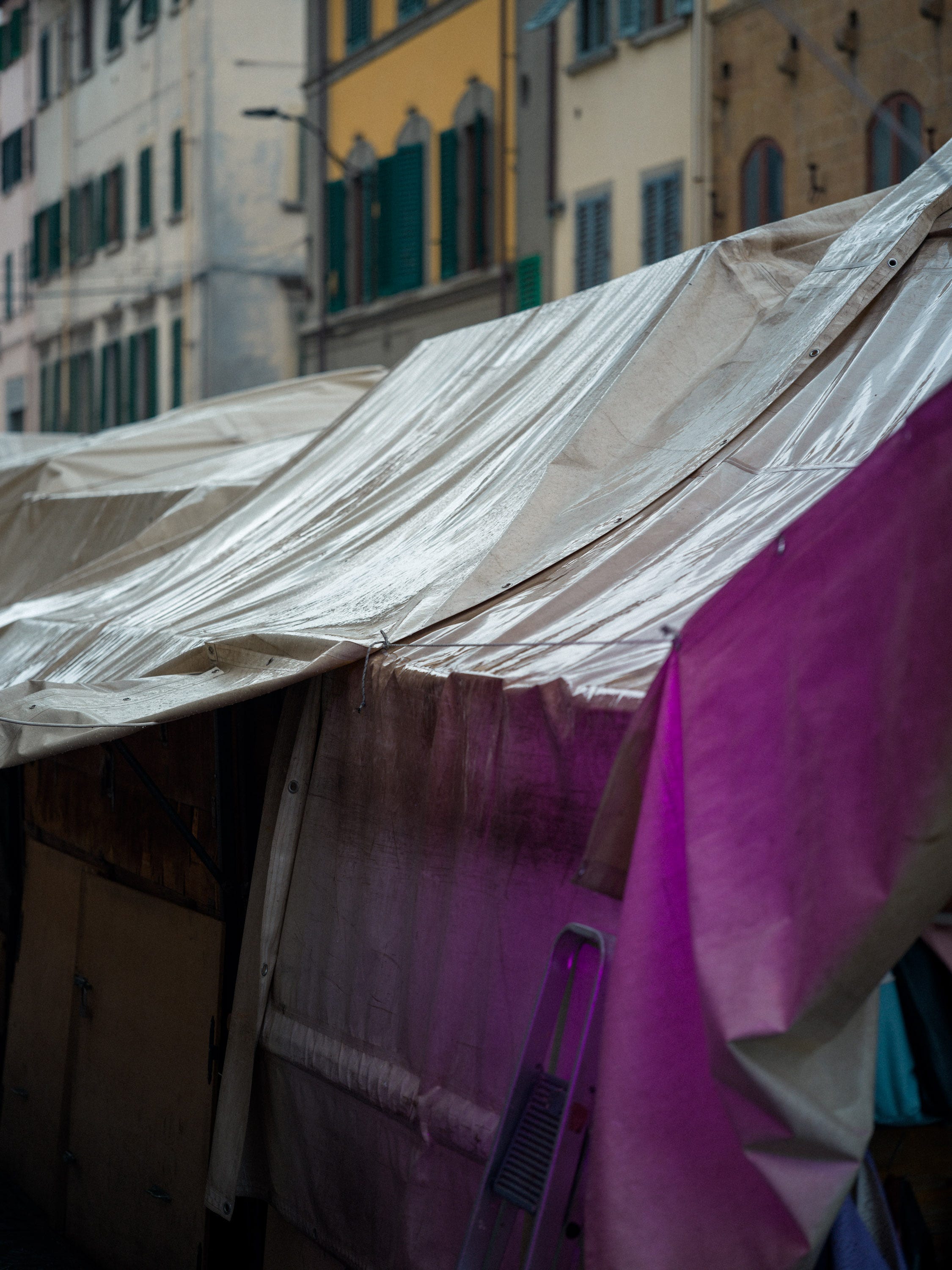
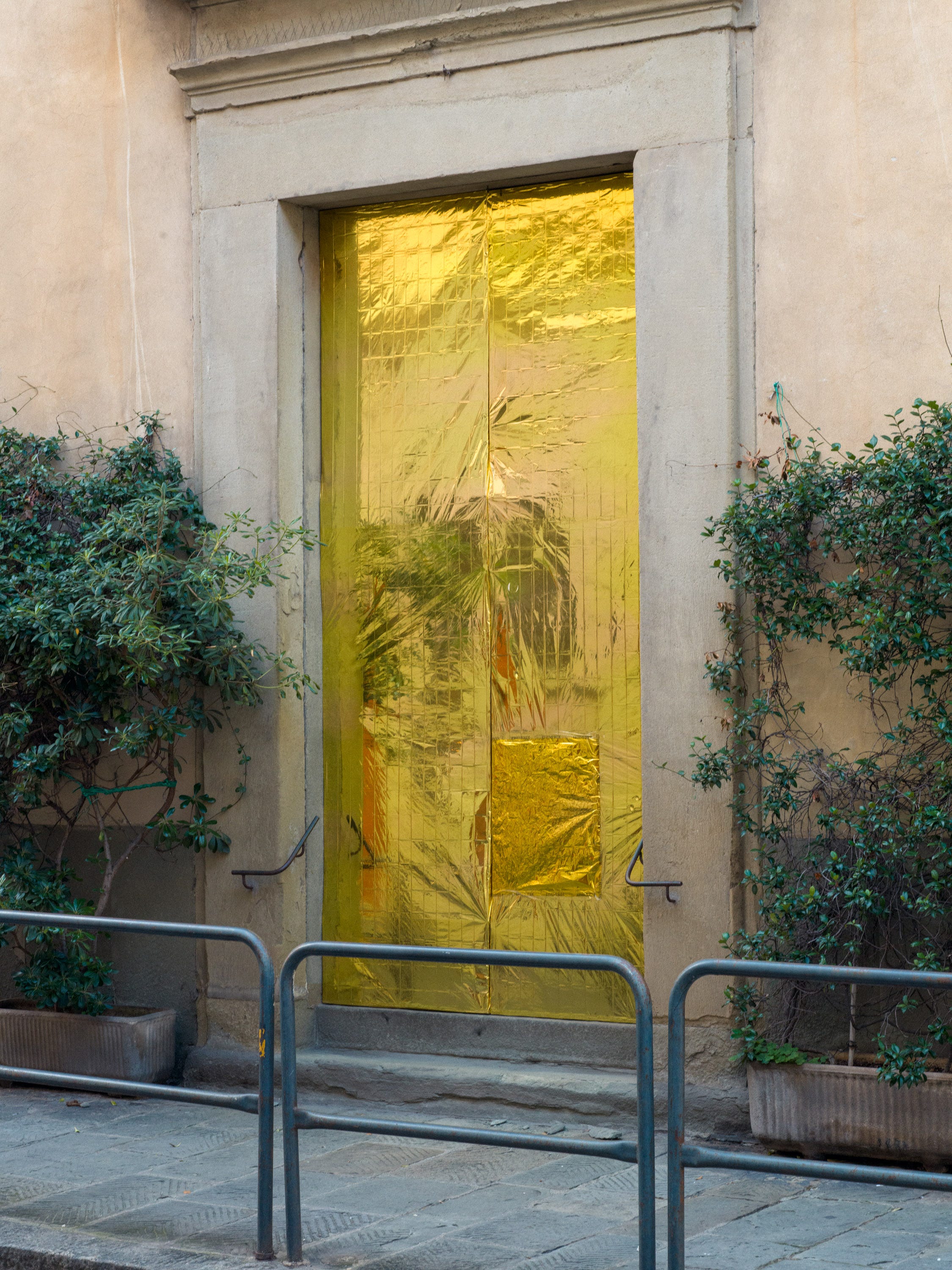
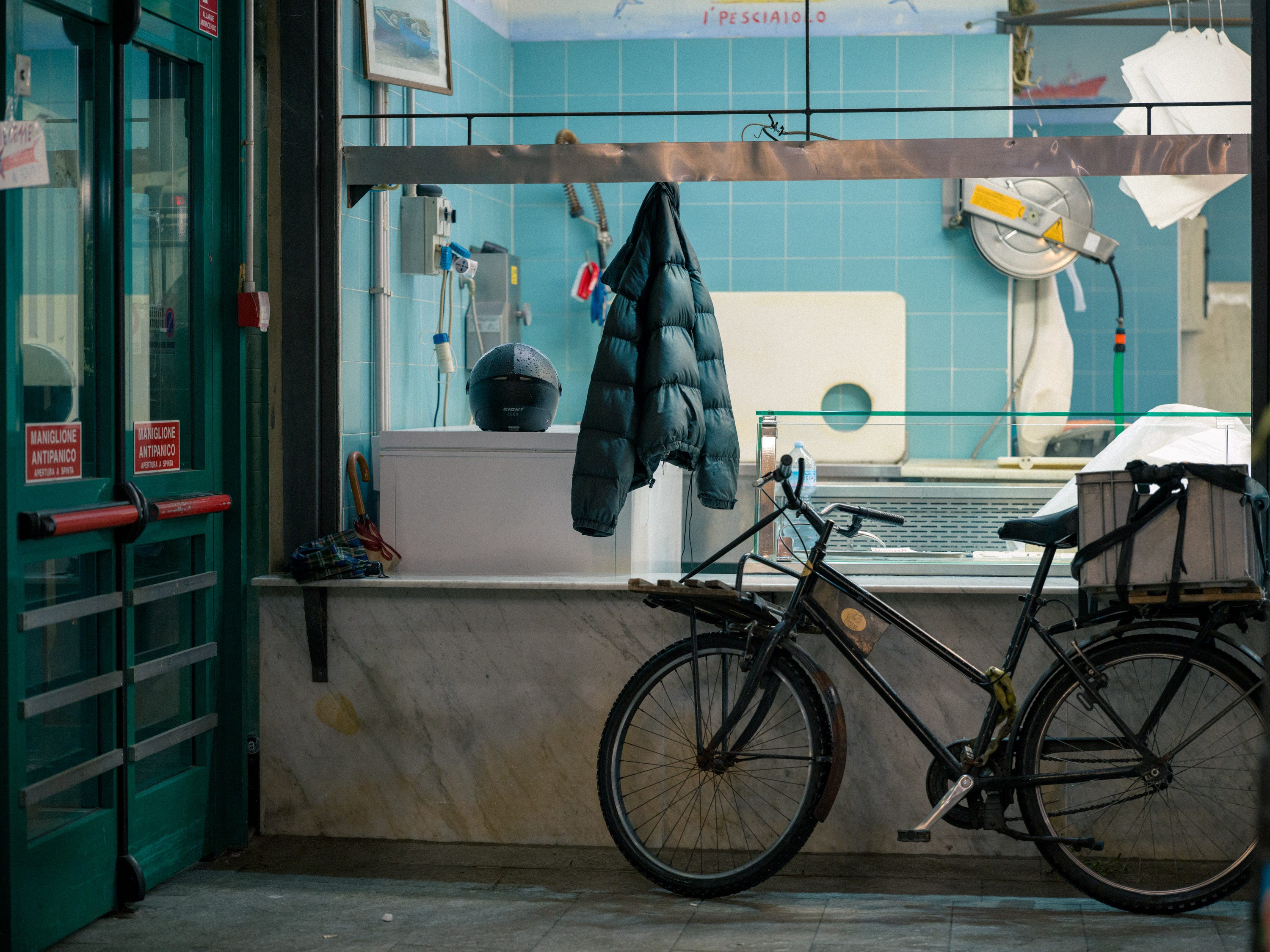
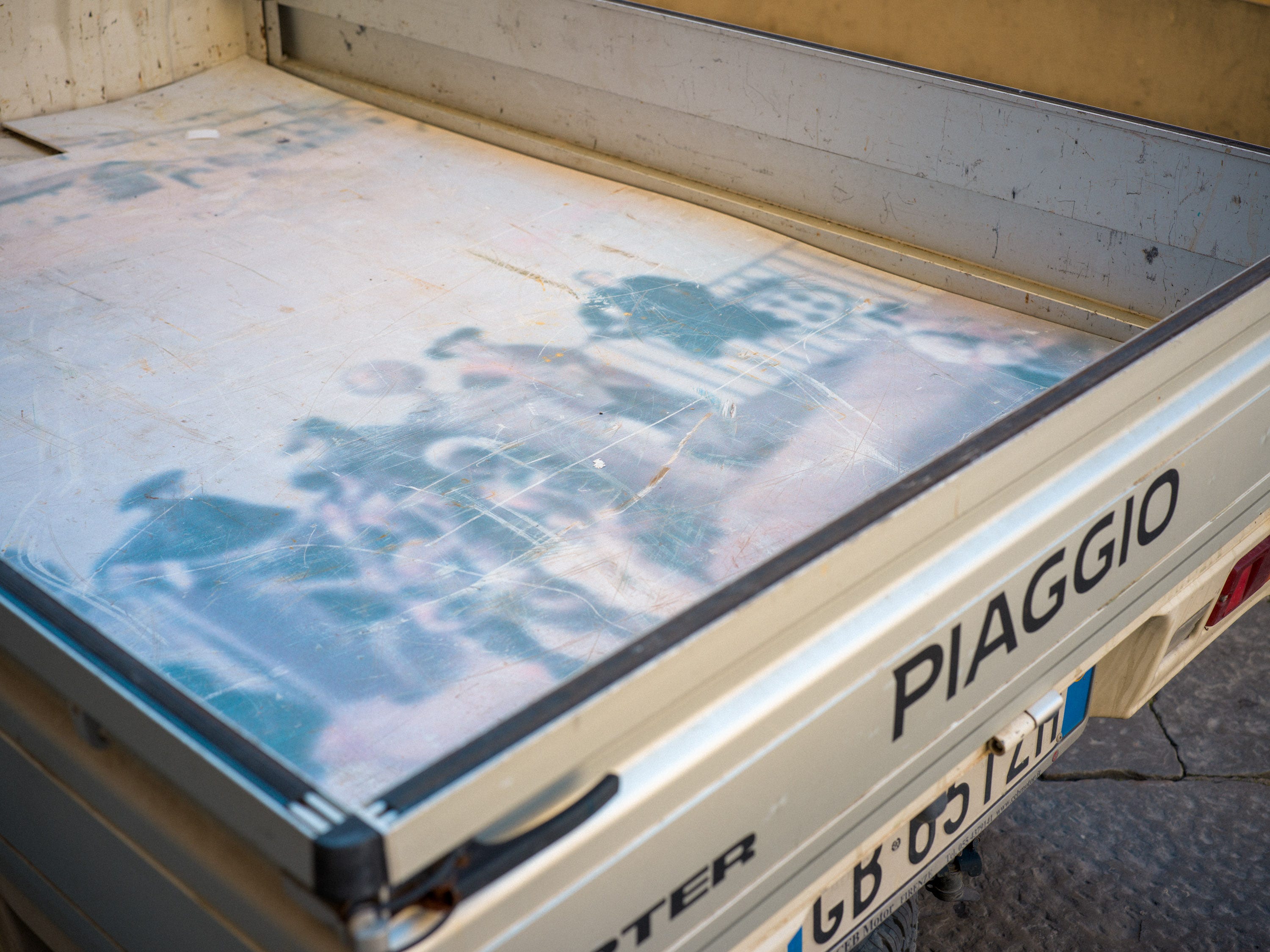
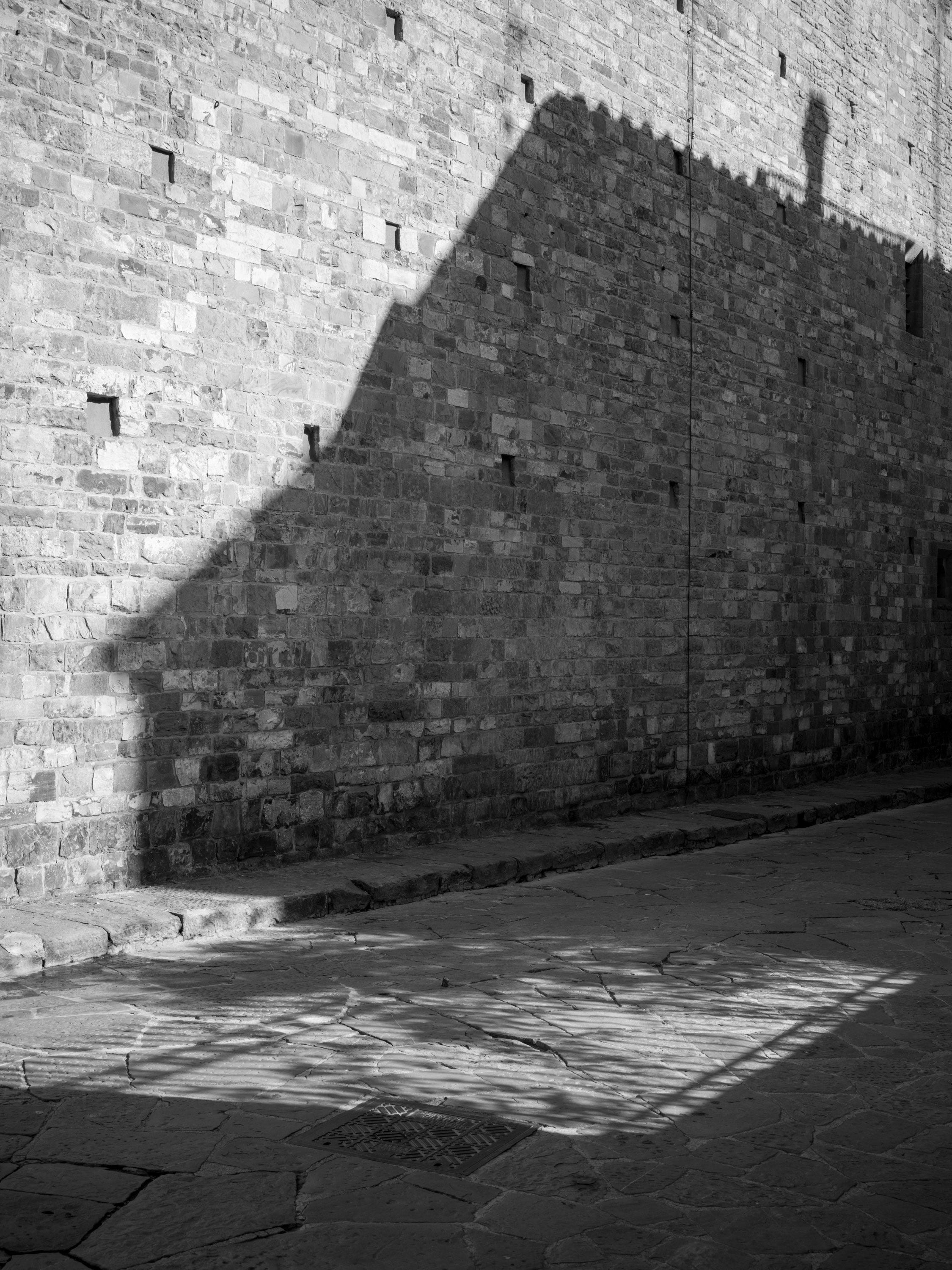
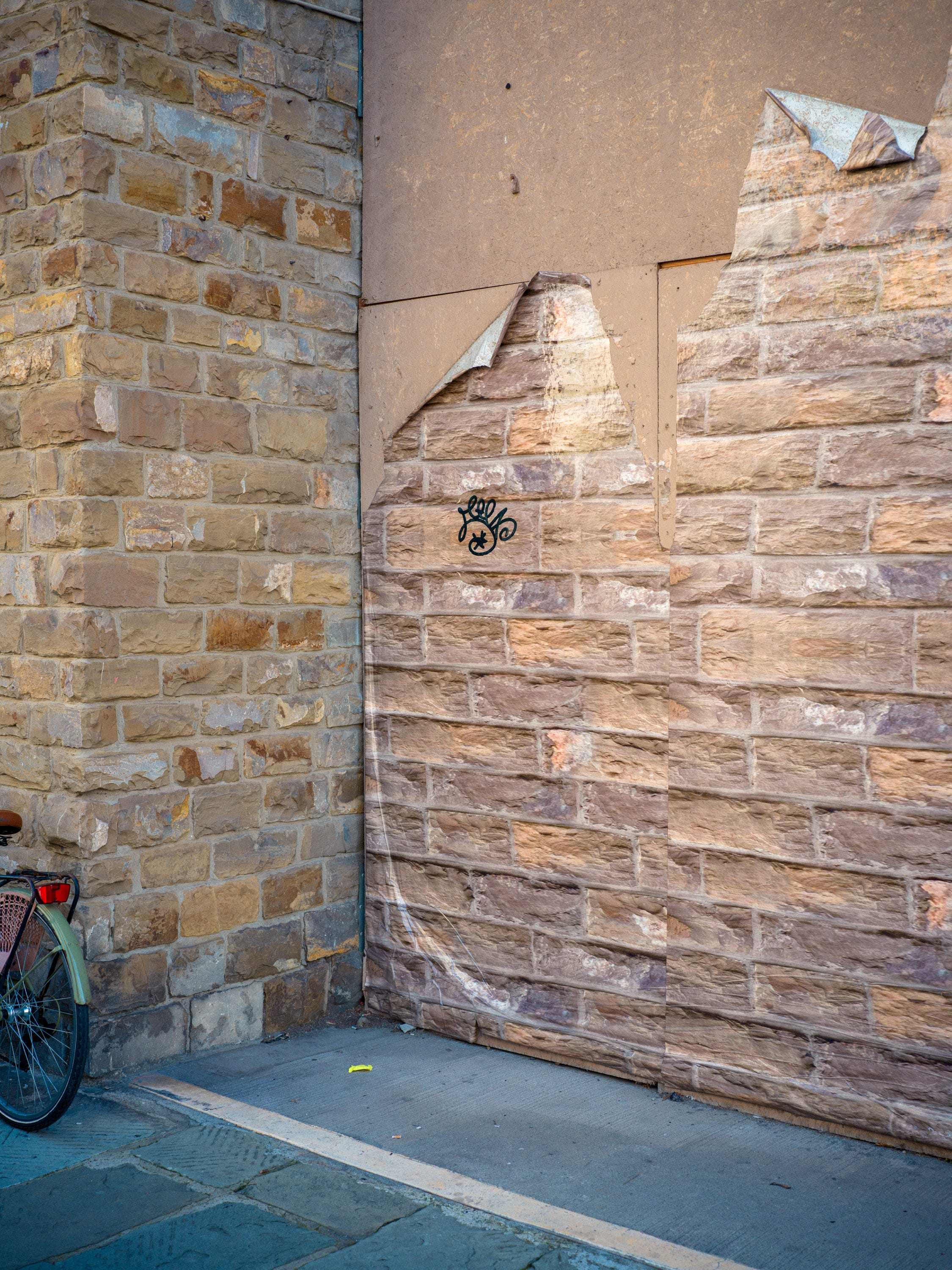
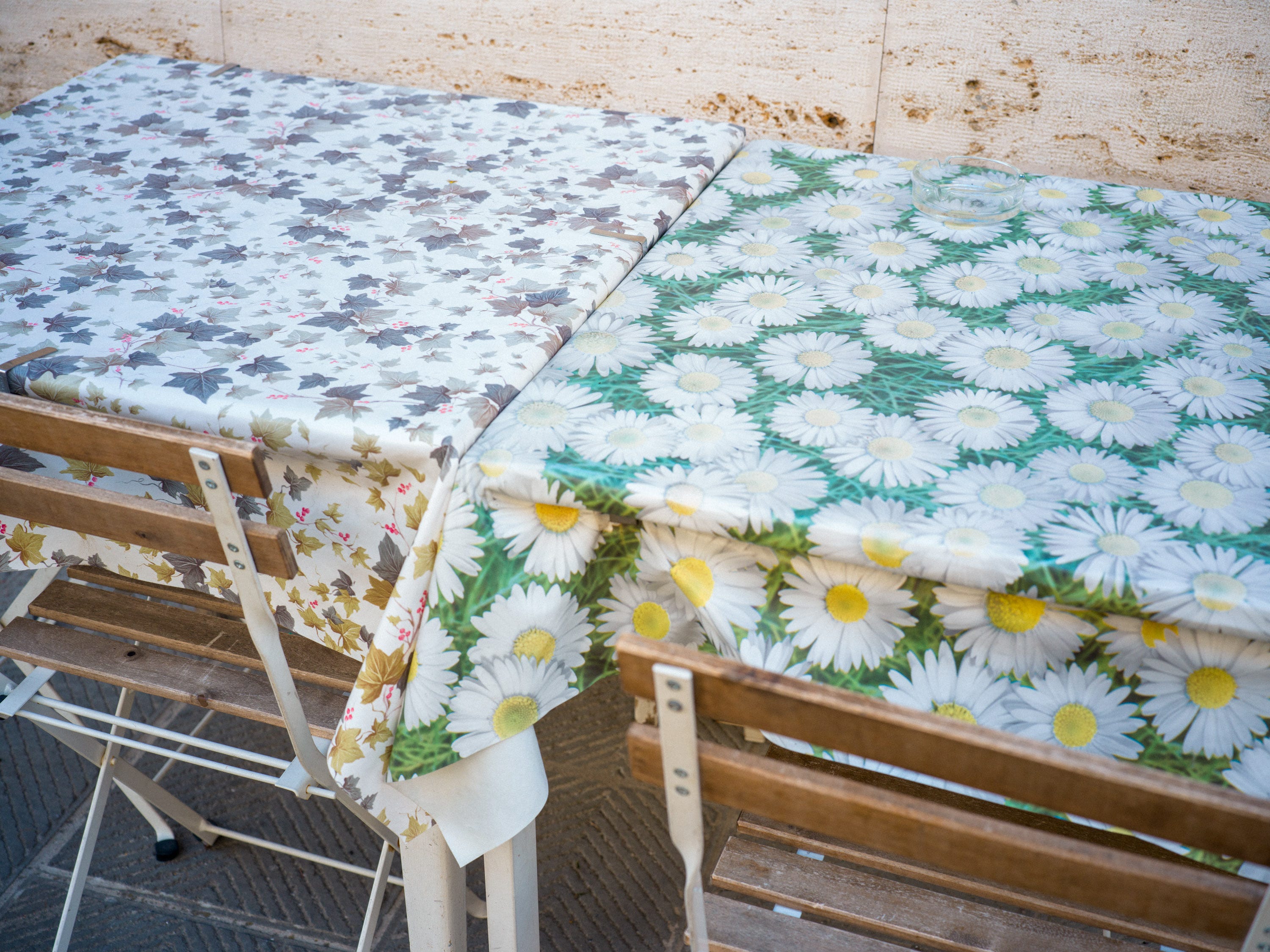
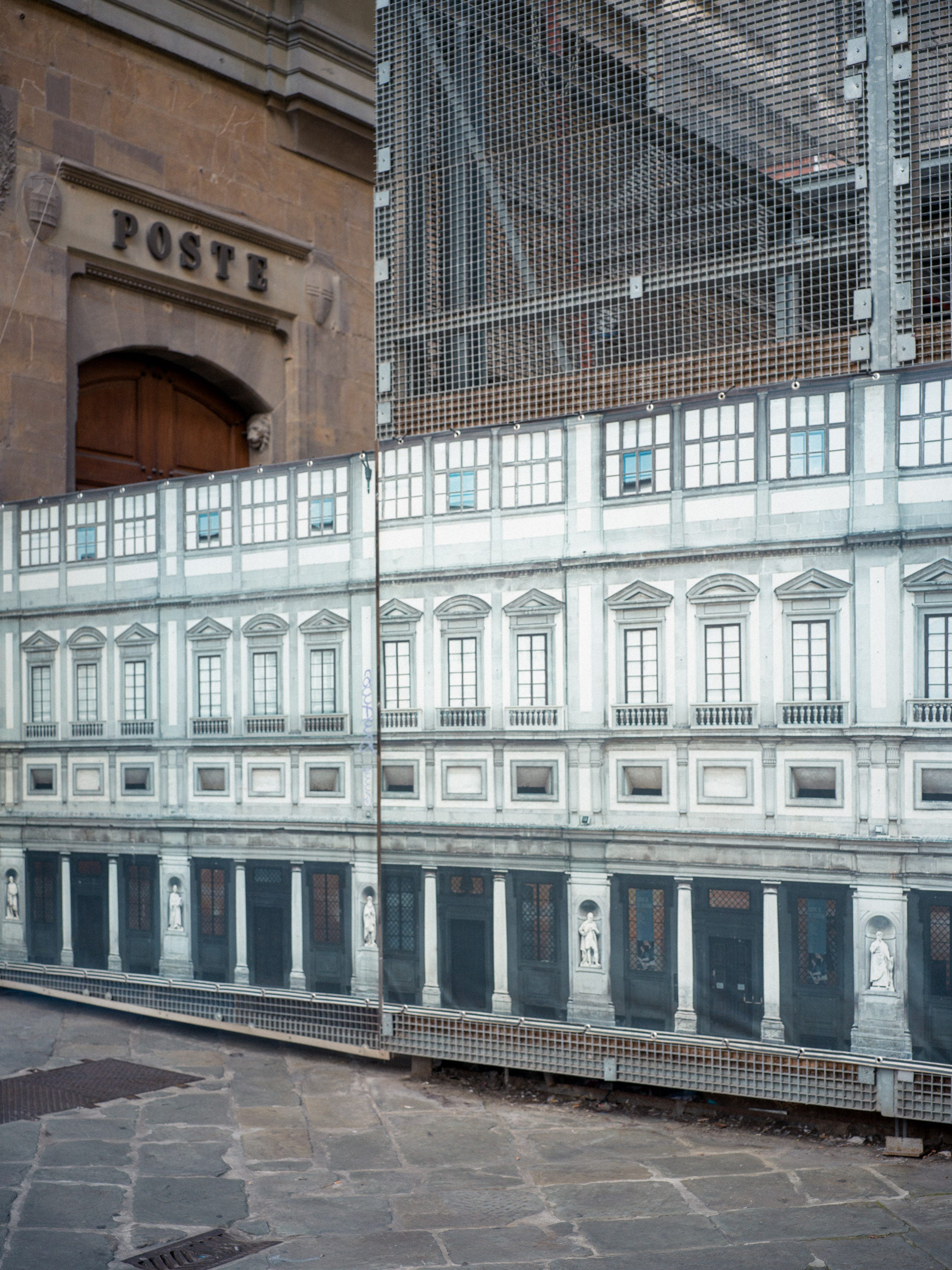
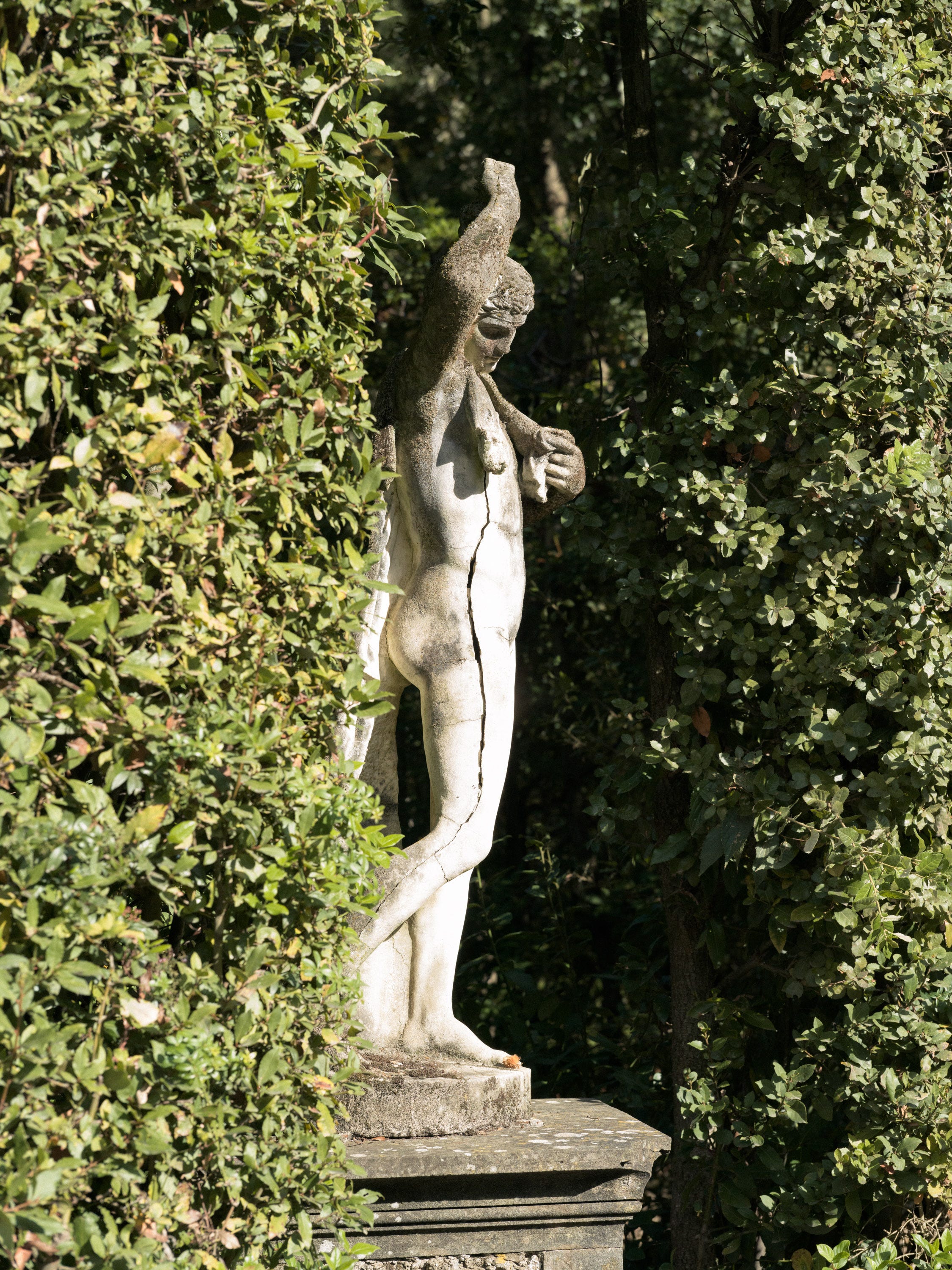
I haven’t yet had time to properly process the experience or make a coherent selection of pictures but here are some of my favourite photographs from the trip. Hopefully, in the coming weeks, I’ll get a better sense of what my camera saw. I don’t know yet whether my inchoate feelings have been translated into pixels.
On the plane home, listening again to bits of Forster’s novel, I was struck by Lucy Honeychurch’s anxious observation that:
The ghosts were returning. They filled Italy.
— E. M. Forster
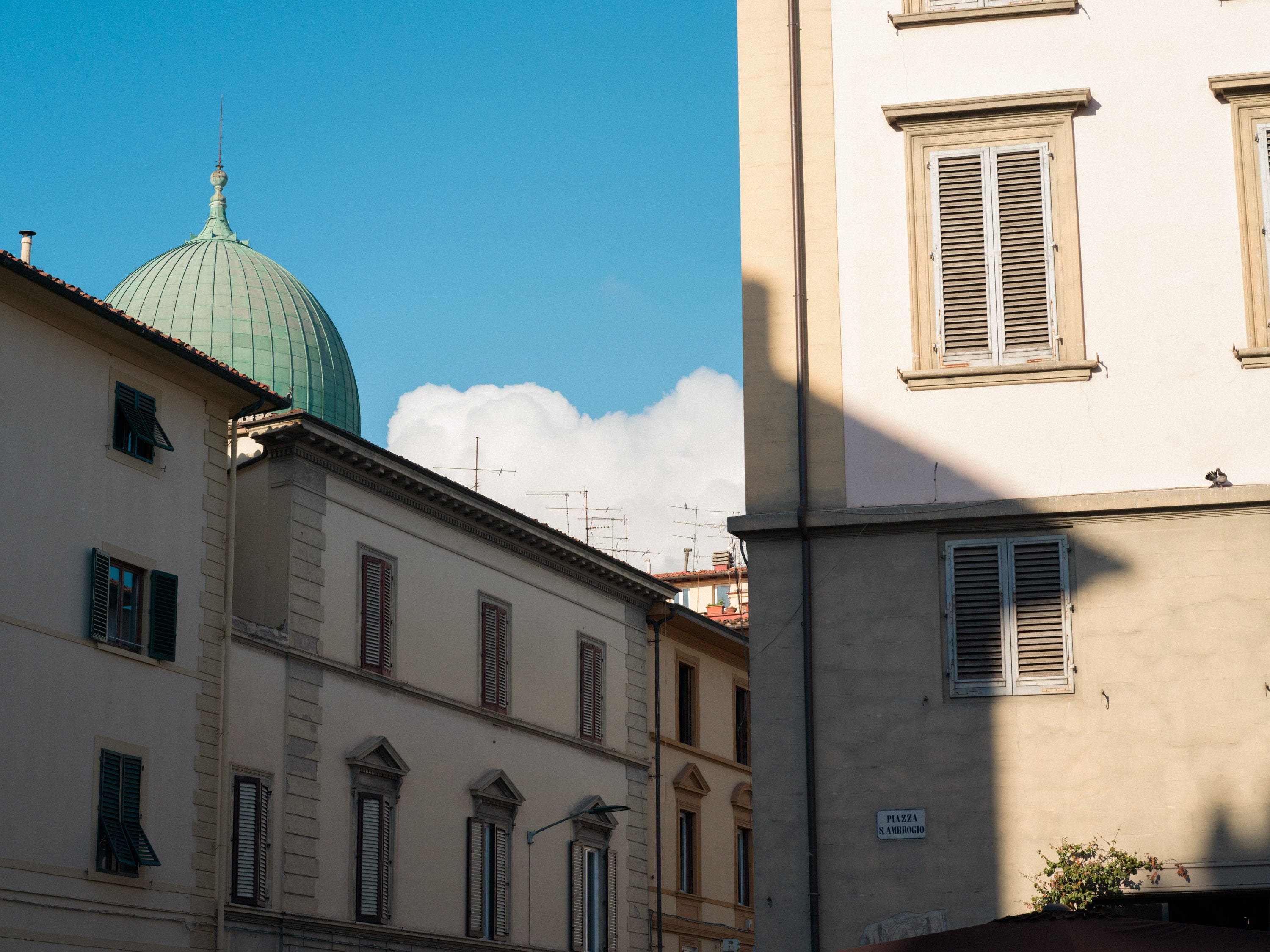
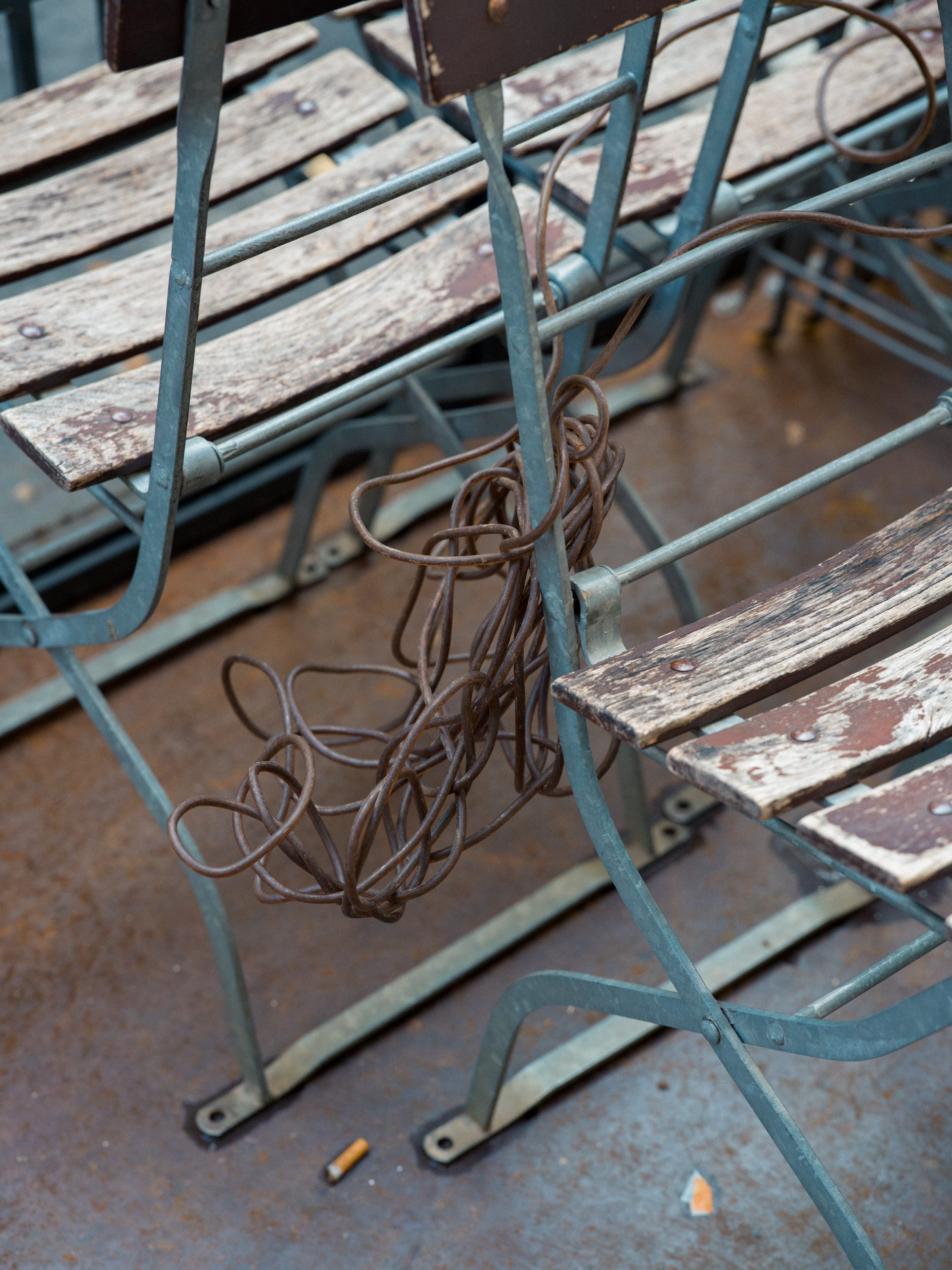
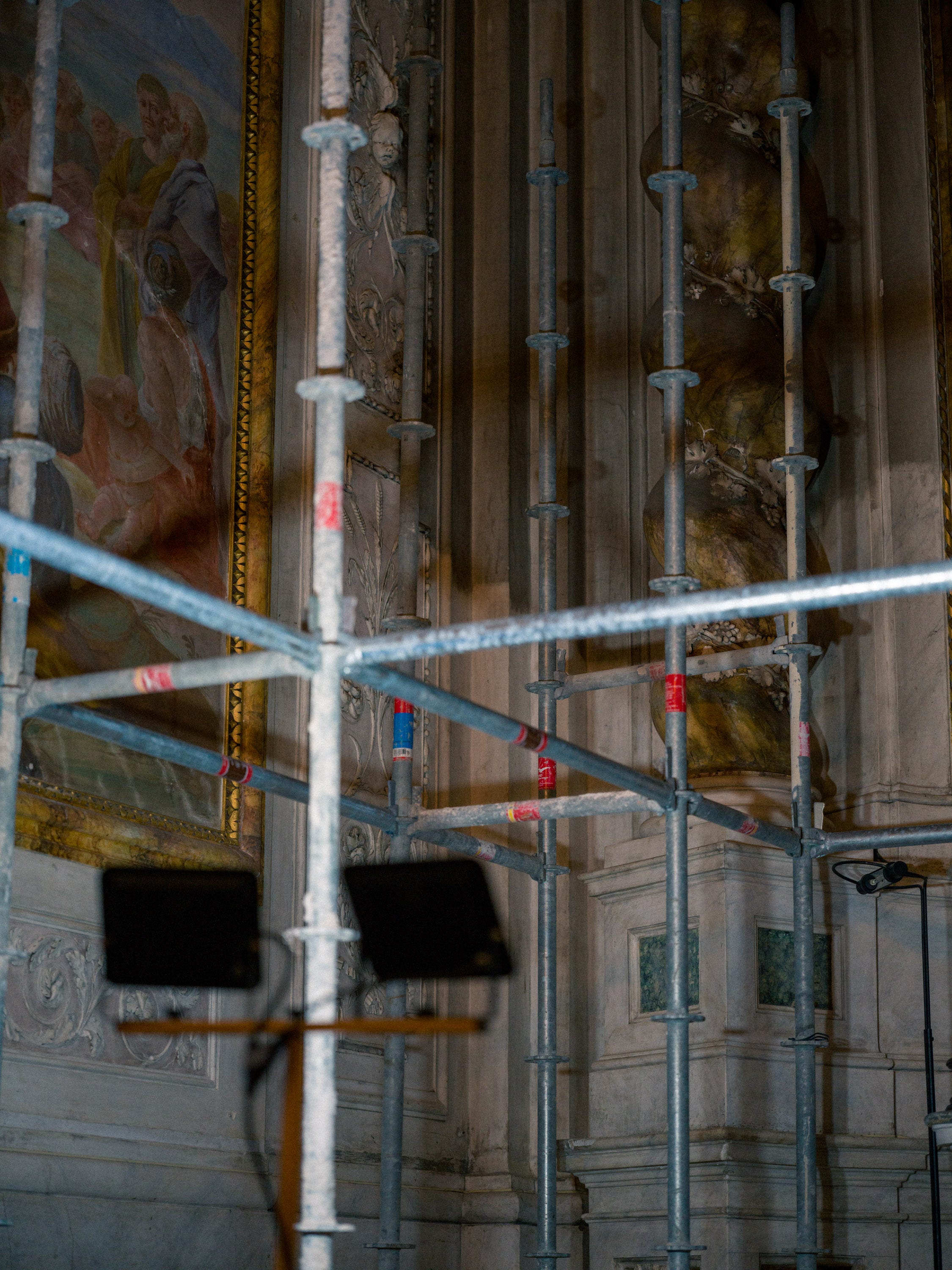
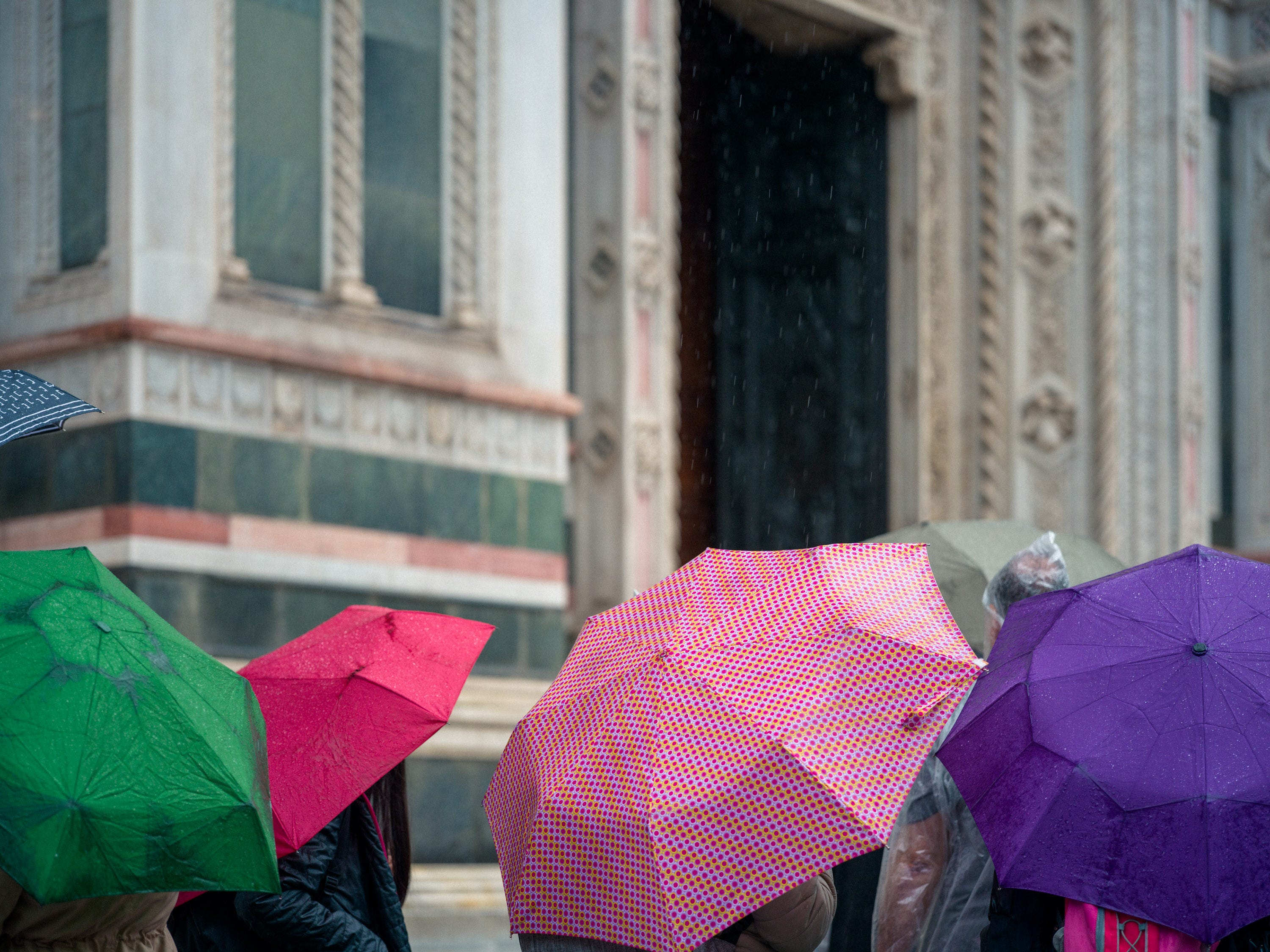
These posts will always be free but, if you enjoy reading them, you can support my analogue photography habit, and that of my students, by contributing to the film fund. Thanks to those of you who have already done so. All donations of whatever size are very gratefully received.
My usual habit was to shoot 35mm transparency film with a second hand Nikon FG. Not sure why I was so seduced on this occasion by clearly inferior digital technology.
I decided to spend some of my retirement money on a Hasselblad 907X and CFV100C.
For example, on a recent trip to Copenhagen I dipped into Søren Kierkegaard’s Either/Or for context and inspiration.
Up at the Villa and Room with A View - what a cozy pair. I see here stuff for Experiența Spațiului a-plenty! Looking forward to seeing more of Florence from you, Jon.
Very nice post and an intriguing set of images. That Forster quote is excellent, the chair tied into a buggy frame is a Hemingway story and remembering the Mavica (the brick phone of the camera world) is a reminder of how far the technology has come in just a few decades.