
In-between Places
Experiența Spațiului: Notes from an unfinished correspondence.


This exchange began without a destination. That feels worth stating again, if only to remind ourselves. Experiența Spațiului (Experience of Space) didn’t start as a project so much as an act of attention; letters written back and forth between two amateur photographers who do not share a language, a country, or a habitual way of describing the world.1 What we share, maybe, is a suspicion of clarity when it arrives too easily.
We’re ten letters into our exchange. It seems like a good time to pause, revisit and survey the territory we’ve been traversing together.
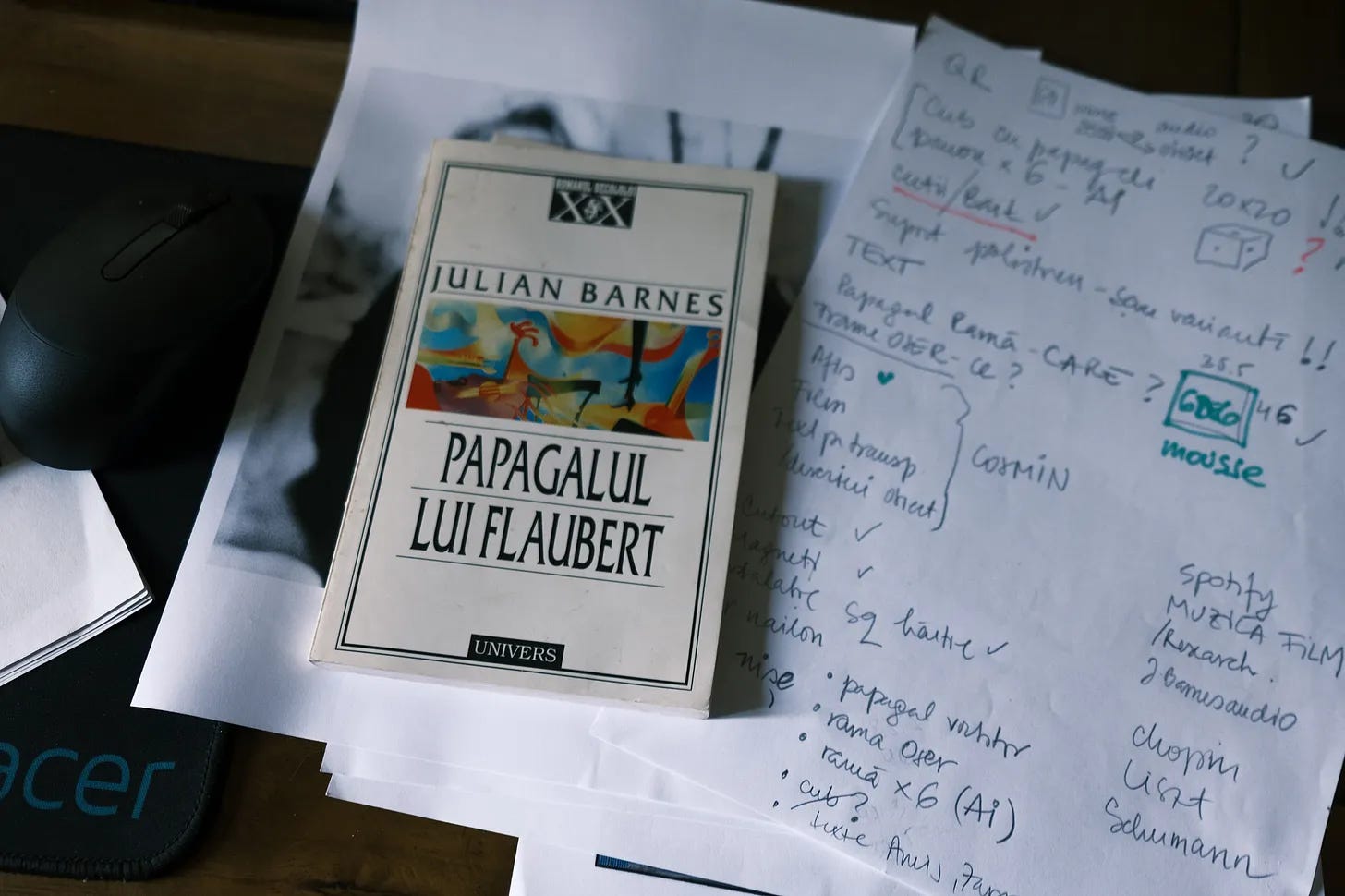
From the beginning, the letters we’ve shared have been about what it is like to move through the world with photographs nearby, as companions, irritants or prompts. Space appears repeatedly in the letters, but rarely as something stable. It is crossed, revisited, misremembered, filtered through exhibitions, water, architecture, borders, travel, and return. It resists being pinned down.
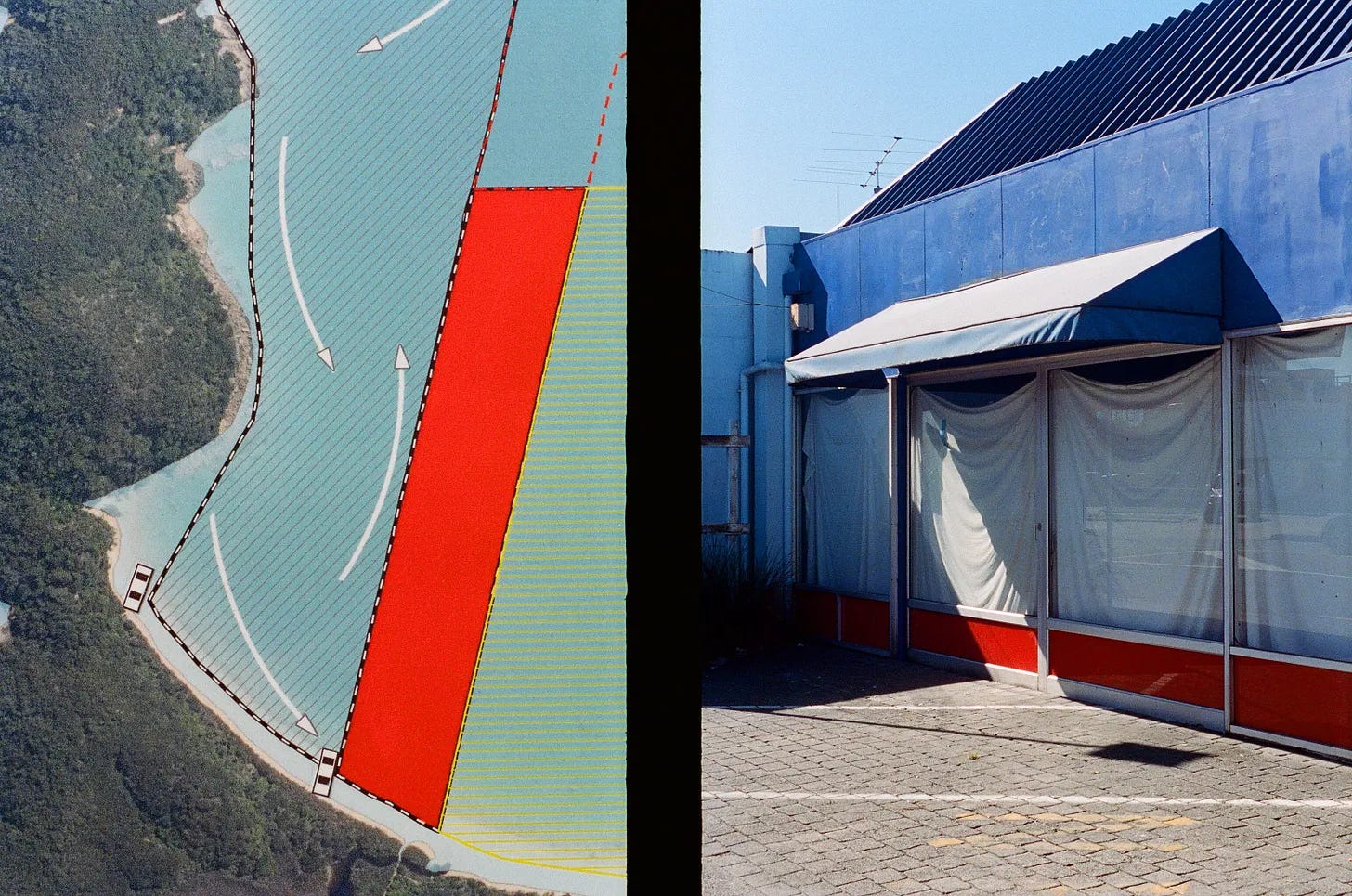
We’re aware, rereading the letters, that they don’t add up to a single, unified position. They loop, hesitate and contradict themselves slightly. At one point, writing about his practice, Jon described scanning half-frame film so that the black strip between frames remained visible:
They feel like notes, provisional, unresolved, low-stakes. Gestures rather than statements. […] Divided and joined. Connected by chance. A fuzzy border.
— Jon
That description keeps resurfacing because it seems to mirror the structure of the exchange itself. The collaboration sometimes feels like a half-frame photograph.
We’re not entirely sure what that border contains. Or whether it’s the same thing for both of us. Crina’s letters often return to moments of emotional intensity triggered by place:
I have lost track of the places where I decreed, with my breath taken away by the emotion that a formidable encounter provokes — this is where I want to move […] I have learned to part with places with regret but not despair […] just as I have learned to rejoice when chance brings me back to spaces I had said goodbye to.
— Crina
There is a restlessness here, but also a kind of restraint. Space, in this telling, is not something one claims or controls. It is something one passes through, sometimes unwillingly, sometimes with relief. Photography, when it appears, doesn’t stabilise these experiences. If anything, it seems to complicate them, allowing memory and distance to sit alongside one another without resolution.
We often find ourselves thinking of Luigi Ghirri, as a presence hovering at the edge of the exchange. His photographs so often pause before becoming declarative. They map without orienting. Ghirri suggested that photography might be a way of surveying the world without possessing it.
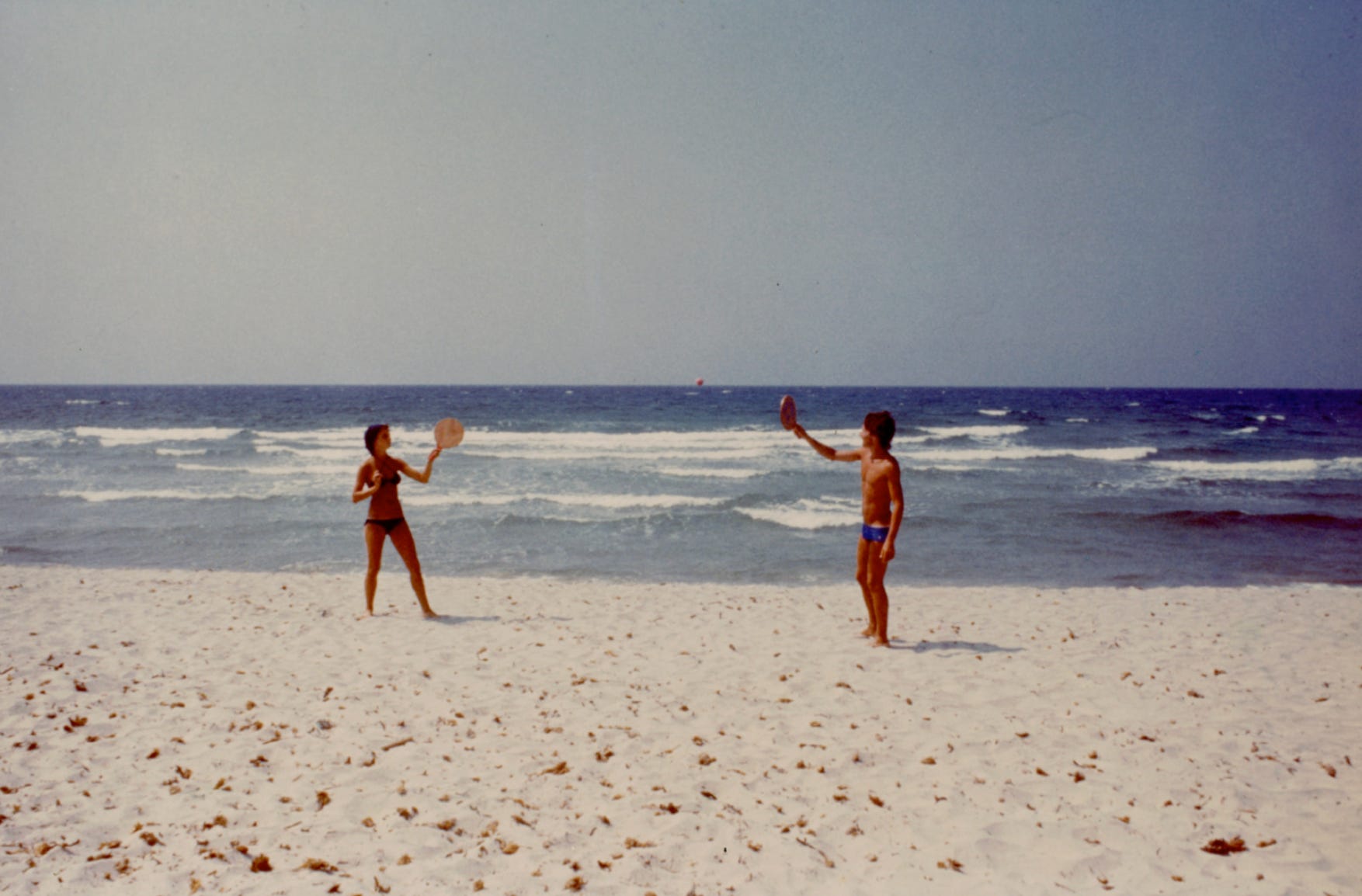
Another thread running through the letters is an awareness of how easily we assume that our own ways of seeing are shared.
We tend to overestimate the frequency of the spread of our habits, and assume that our mental settings are the correct ones.
— Crina
Photography has long traded on the idea of a universal language. This exchange quietly undermines that assumption. Crina writes in Romanian (although she is fluent in English). Letters are translated, conscious that something is always slipping away; tone, cadence, the weight of certain words. The delay, introduced by translation, slows down the reading. Understanding arrives imperfectly. This sense of being slightly out of step with each other is reflected in Crina’s comments about museums and thresholds:
Once you physically interpose yourself between two borders […] you inevitably become an active part of a kind of simulation, in which your role changes from exhibit to viewer, dozens, even hundreds of times.
— Crina
Here, space is not neutral. It acts on the body, producing shifts in role and awareness. Photography, in this context, feels less like a tool for explanation and more like a reminder that perception is always situated, always contingent.
Water appears repeatedly as subject and metaphor:
Water is not just a physical medium — it is a space of contemplation […] The human body becomes a liquid mirror.
— Crina
This seems to echo a broader tendency in our exchange: a movement away from solid ground, toward spaces that distort, reflect, and refuse clear edges.
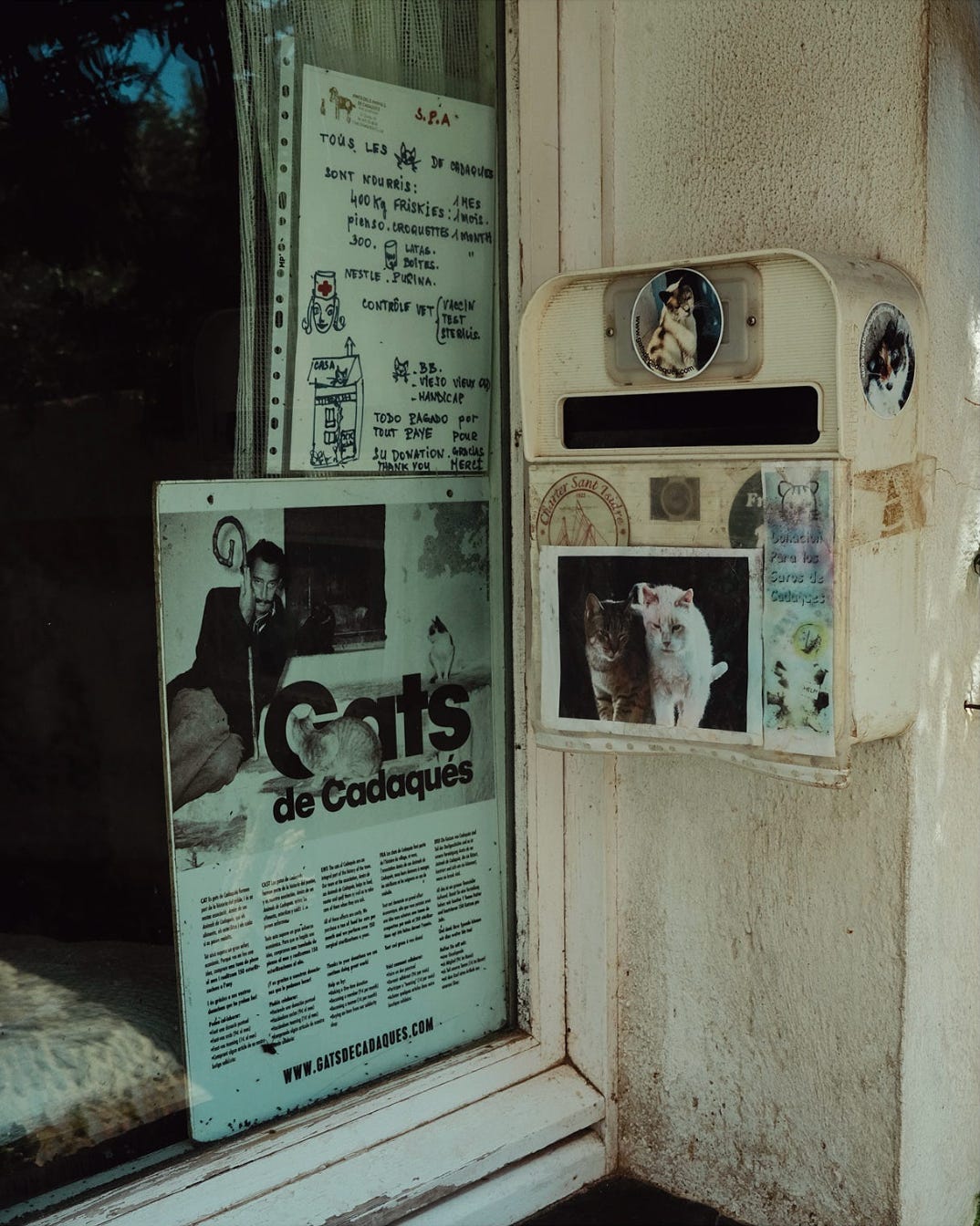
The titles of the letters feel like markers on a journey rather than labels for what follows. Cadaqués, On the cusp, Winter in Cyprus, Formidable Encounters. They suggest movement, crossings, moments of arrival and departure. Travel here isn’t presented as progress or discovery, but as exposure to place, to difference, to the unease of not quite knowing how to stand. The idea of the formidable encounter seems to unfold in several directions at once: between photographer and place, where familiarity is disturbed; between two correspondents, each approaching the exchange from different languages and habits of looking; and between words and images, which never fully coincide. Many of the titles point toward what lies in-between countries, between inside and outside, between immersion and distance, holding the exchange in that interstitial space where meaning remains provisional and attention stays alert.
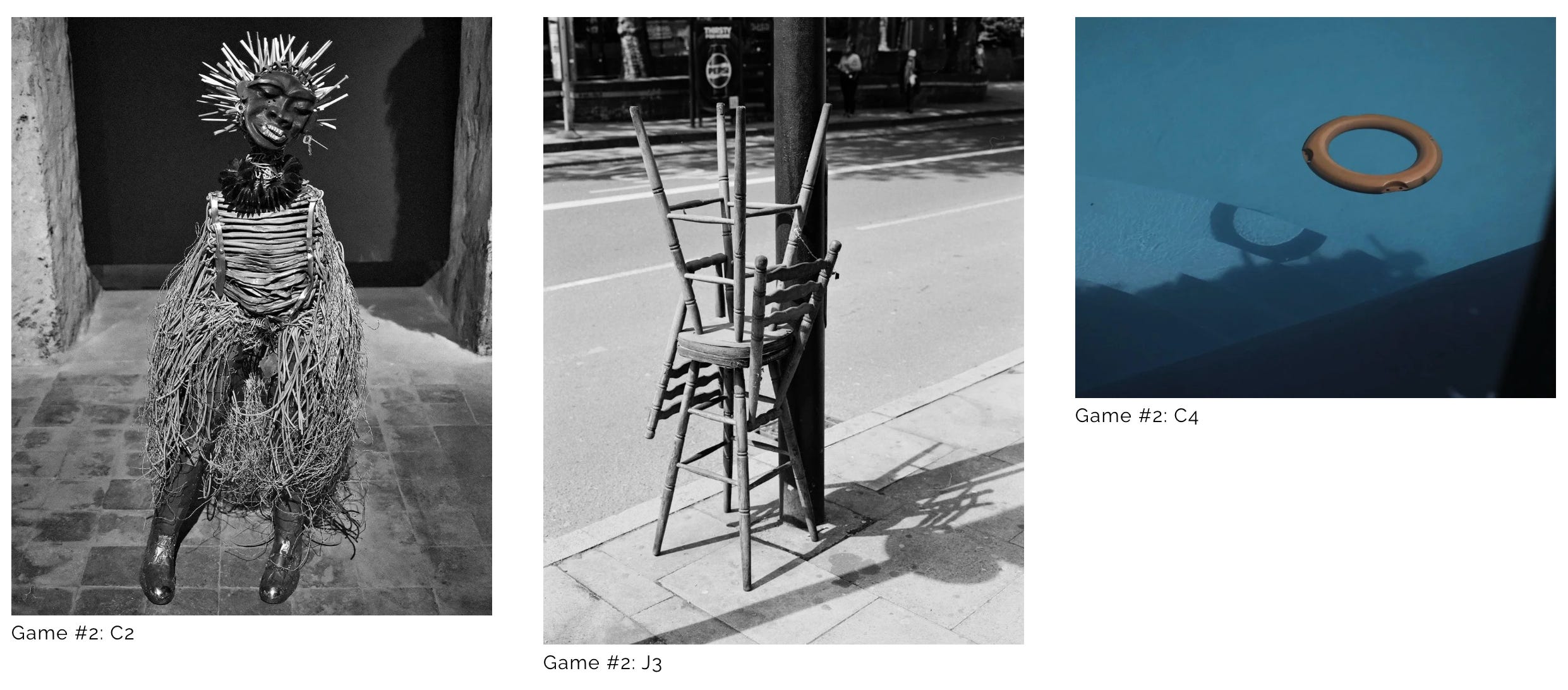
Alongside the letters, we’ve been playing a quieter game. We post photographs back and forth online, one image at a time, without rules or commentary. Each response comes from the archive rather than from a desire to react quickly or outdo the previous image. The game ends when it feels complete — not exhausted, just finished enough.

These games feel related to the letters, but not illustrative of them. They run in parallel. Another way of thinking, perhaps, or of delaying explanation. Jon’s writing often gravitates toward structure, thresholds, estrangement. Crina’s letters seem more willing to remain with affect, with the bodily experience of displacement. They sit alongside one another and a lack of full alignment isn’t something we feel needs to be corrected.2
John Berger appears explicitly in the exchange. In fact, he provided the original impetus for our collaboration.3 But perhaps, more importantly, his presence is felt in the way the letters refuse closure:
A photograph is a meeting place where the interests of the photographer, the photographed, the viewer and those who are using the photograph are often contradictory.
— John Berger
Our letters don’t attempt to reconcile contradictions. They return to them, sometimes indirectly, sometimes by circling back to questions that remain open:
Is it possible to hold two seemingly opposing views… simultaneously without reaching any kind of judgement? [..] What draws us to some images and not others?
— Jon
Questions linger. Perhaps Experiența Spațiului is less an exchange of ideas than an agreement to remain attentive to space, to language, to difference, to the ways photographs accompany thought.
The letters don’t aim to arrive somewhere. They make room.
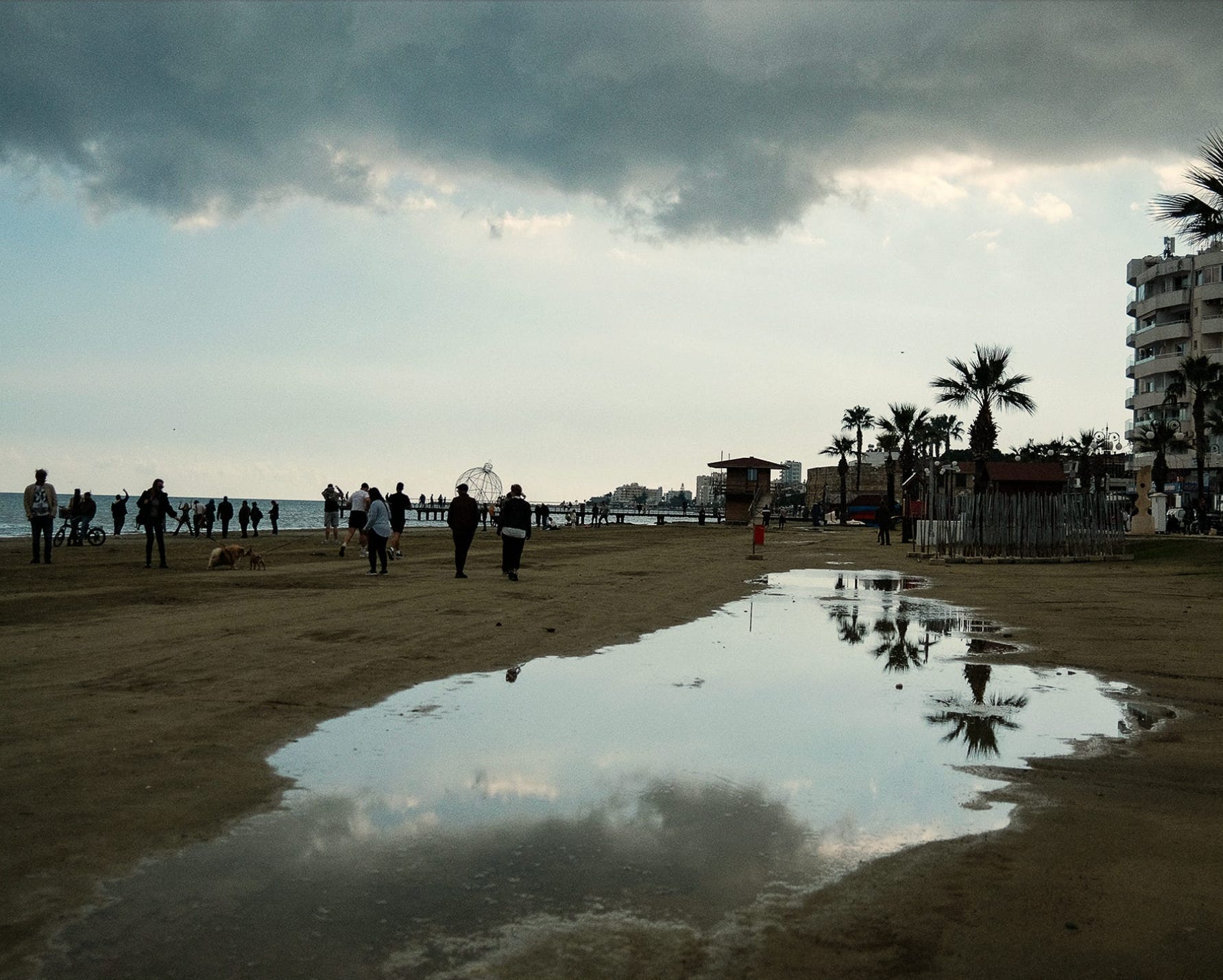
We’re not sure where this exchange is going, or whether that’s even the right way of thinking about it. For now, it feels enough to keep writing, to keep looking, to let words and images pass back and forth for a while and to notice what happens in the space they leave behind.
Jon & Crina
This letter is one of a sequence entitled Experiența Spațiului. Here are links to the others:
Experiența Spațiului - Fuzzy Borders - by Jon Nicholls
Experiența Spațiului - Cadaques - by Crina Prida
Experiența Spațiului - Formidable Encounters - by Jon Nicholls
Experiența Spațiului - Londra - by Crina Prida
Experiența Spațiului - One and one is four - by Jon Nicholls
Experiența Spațiului - Apa - by Crina Prida
Experiența Spațiului - More than a quantum of solace - by Jon Nicholls
Experiența Spațiului - Between the hammer and the anvil - by Jon Nicholls
Experiența Spațiului: On the cusp - by Jon Nicholls
Experiența Spațiului: Winter in Cyprus (or hedonism at home) - by Crina Prida
The title of our letters, Experiența Spațiului (which we translate in English as Experience of Space) is borrowed from Gaston Bachelard’s The Experience of Space in Contemporary Physics (1937). Bachelard is better known as the author of The Poetics of Space (1958), a favourite text of ours and well-known to anyone interested in the difference between inhabited versus geometric space.
All of our games of Photo Ping Pong can be viewed on Jon’s website
Crina’s comment on my post about Berger was the motivating force for our initial exchange of ideas about photography and, subsequently, this exchange of letters.
 | A guest post by
|
I admire your fluid, educational and yet powerful way of writing. It brings substance to our (or any photographic) experiment/journey. Thank you for bringing clarity in the exchange we have been endorsing together. Thank you for the photos selection too - they illustrate the concept so well.
I'm behind on my reading but glad I saved this one for a rainy day. The exchanges force me to slow down and the linguist in me is fascinated by how the idea of this translation may enhance (or skew) the exchange. From the outset though, it seems there are no issues there. The exchange is lovely.